English
 Español
 Português
 Français
 Русский язык
 Italiano
 Deutsch
 Nederlands
 لعربية
 한국어
한국어 Japanese
 ภาษาไทย
 Türkçe
 Tiếng Việt
 Bahasa Indonesia
 Hindi
Hindi kazakh
 Uzbek
Uzbek Thai
Thai Farsi
Farsi
Qtenboard: Market Perceptions of a Commercial‑Display Factory‑Brand
 2026-09-05
 199
199



2026-09-05
199

The commercial‑display industry sees growing market segmentation. Besides well‑established top‑tier players with mature channels and brand heritage, manufacturing‑rooted factory‑brands are gaining momentum, and Qtenboard stands as one representative example. Compared with industry leaders, such original‑manufacturer‑origin brands carry distinct public impressions, combining notable strengths and obvious drawbacks.
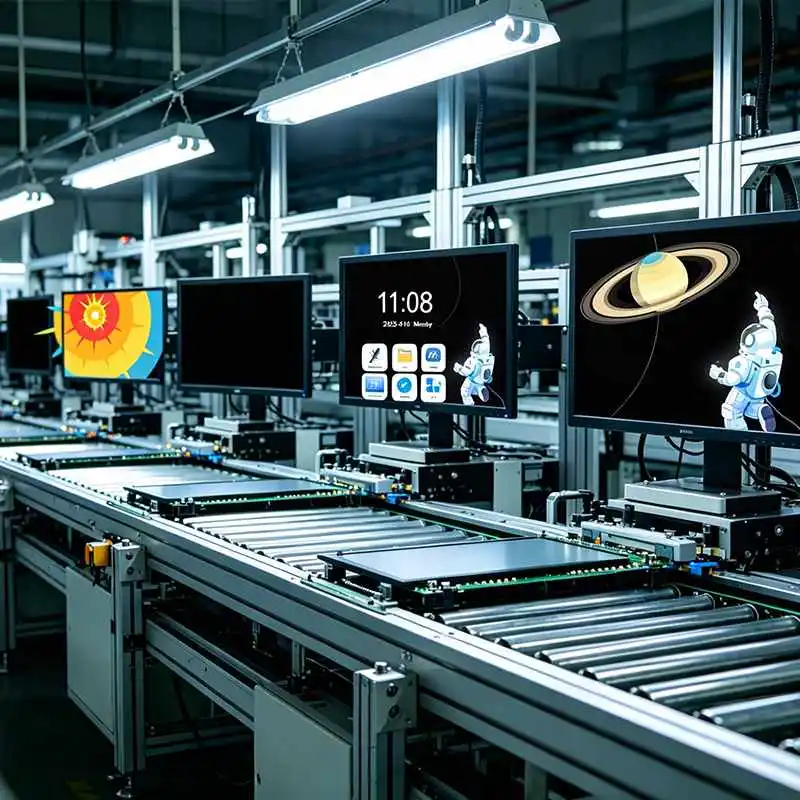
Among distributors, overseas buyers and system integrators, Qtenboard’s most prominent label is cost‑effectiveness. Supported by in‑house complete assembly lines, it cuts out multi‑layer intermediaries. With equivalent hardware specifications, its quotations enjoy clear advantages over premium brands. It fits well for budget‑limited small‑and‑medium‑sized projects and overseas OEM orders. Channel partners often regard it as a cost‑control alternative for scenarios such as retail stores and ordinary meeting rooms where brand prestige is not a strict requirement.
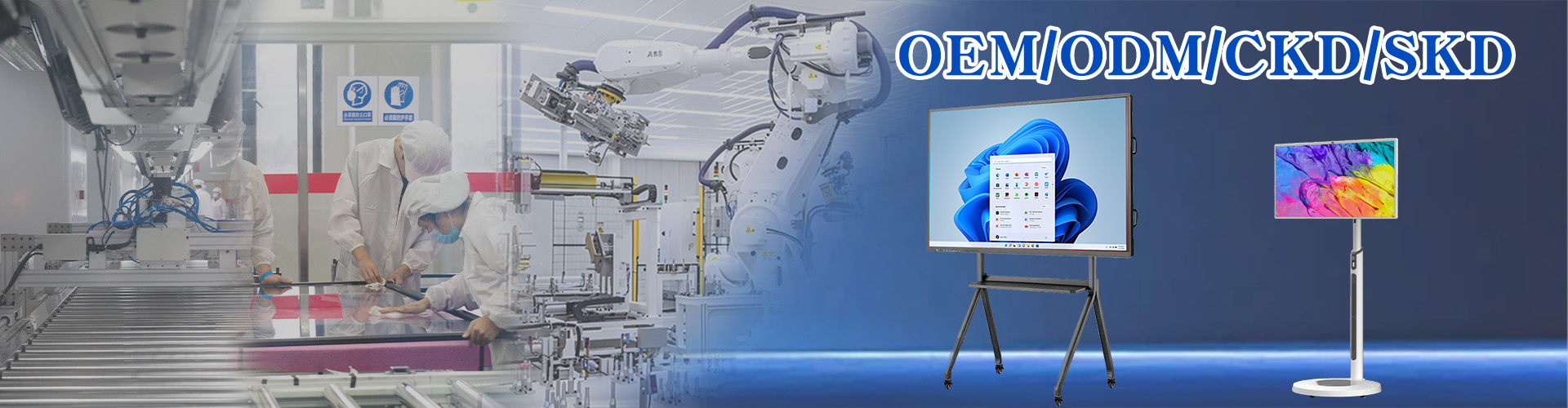
Flexible customization serves as its second defining feature. Different from standardized mass production adopted by leading brands, Qtenboard delivers in‑depth OEM and ODM services. It supports hardware configuration adjustment, firmware modification, logo and boot‑screen personalization, and accepts both small‑batch and large‑volume orders. This flexible production capacity strongly appeals to overseas resellers and domestic integrators aiming to launch their‑own branded products, becoming a vital bargaining chip against top competitors.
Nevertheless, negative perceptions persist. Qtenboard suffers from weak brand influence and low end‑user recognition. Leading commercial‑display suppliers own nationwide service networks, abundant government‑enterprise project references and sophisticated branding systems. Qtenboard focuses its promotion mainly on B2B platforms and overseas outreach, targeting intermediaries. Most end‑users barely know the brand, and purchasing decisions largely hinge on integrators’ recommendations.
It wins plenty of minor commercial projects and overseas OEM deals, yet loses large government‑enterprise and high‑end exhibition projects that demand solid brand credentials and local after‑sales support. Clients also worry about imbalanced capacity allocation and inconsistent quality standards between OEM contracts and its proprietary‑brand business.
To conclude, Qtenboard mirrors numerous domestic factory‑brands in this sector. It boasts solid manufacturing competence with competitiveness in pricing and customization for B‑side clients. Still, it struggles to win end‑user mindshare. To evolve from a capable manufacturer into a widely‑recognized brand, it needs richer project cases, enhanced brand communication and improved localized services.


 Floor 6, Building A, No. 3, North District, Shangxue Science and Technology City, Xinxue Community, Bantian Street, Longgang District, Shenzhen City
 info@szqunmao.com
 +86 15920011166
 +86 15920011166