English
 Español
 Português
 Français
 Русский язык
 Italiano
 Deutsch
 Nederlands
 لعربية
 한국어
한국어 Japanese
 ภาษาไทย
 Türkçe
 Tiếng Việt
 Bahasa Indonesia
 Hindi
Hindi kazakh
 Uzbek
Uzbek Thai
Thai Farsi
Farsi
Qtenboard’s Triple‑Channel Audio: Real Differentiation or Marketing Gimmick?
 2026-09-03
 215
215




2026-09-03
215

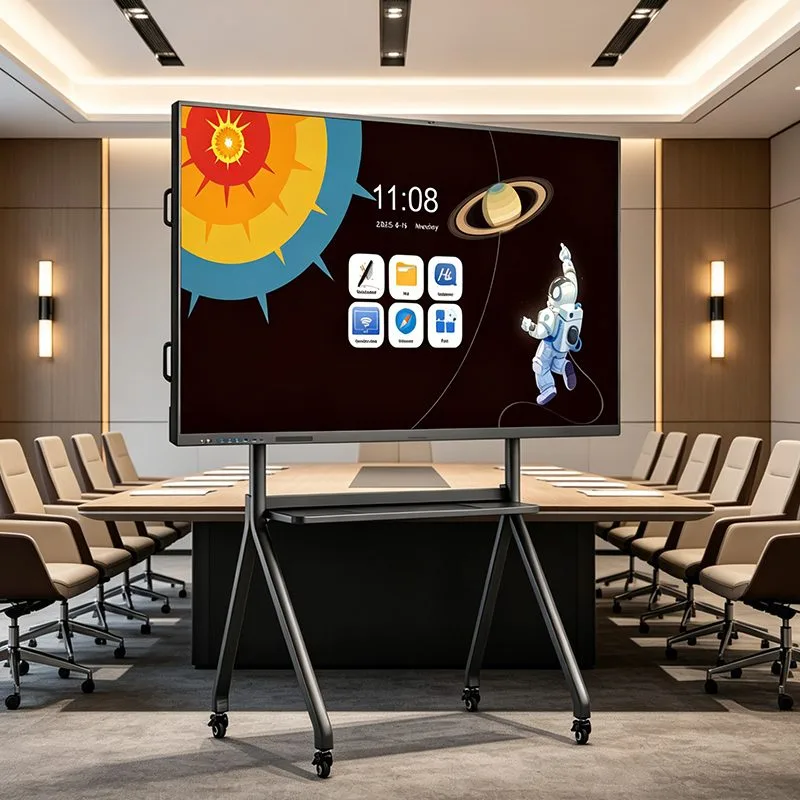
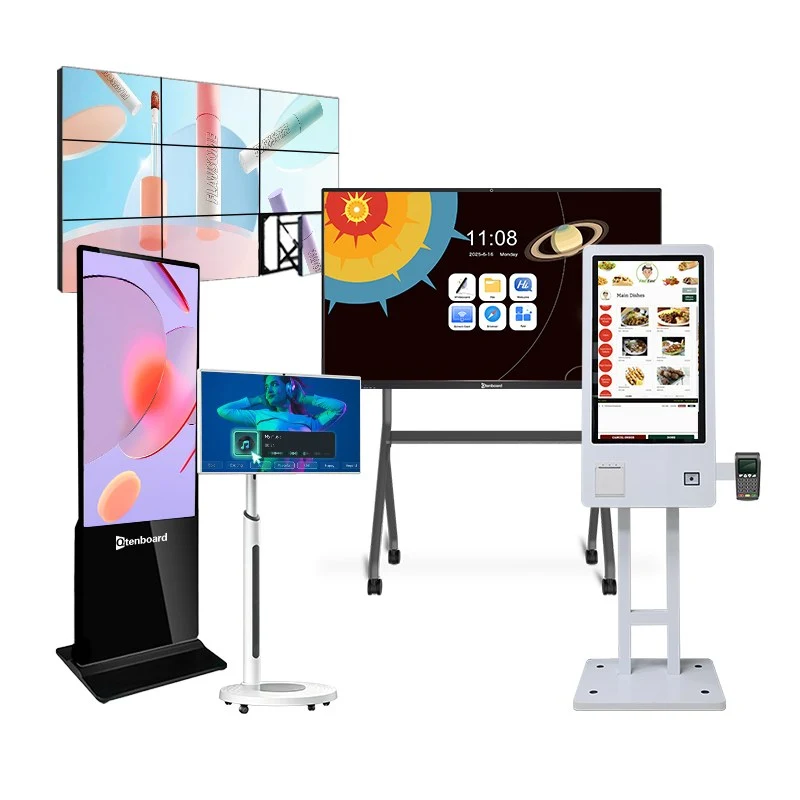
The commercial interactive display market is plagued by intense homogenization, where screen size and resolution have become standard specifications. Audio systems have thus become a key point for factory‑based brands to stand out. Qtenboard heavily promotes its triple‑channel audio system as a core technical highlight for interactive panels and commercial digital signage. Yet questions remain whether this represents genuine hardware improvement or merely a marketing concept.
Most mainstream mid‑tier commercial displays adopt dual‑channel stereo speakers. Restricted by internal cabinet space, they deliver weak bass performance and thin sound in large spaces, only sufficient for voice announcements and basic background music. Qtenboard’s triple‑channel solution adds an independent bass unit to conventional left‑right dual‑channel speakers. This three‑unit hardware setup is advertised across its official website, B2B storefronts and overseas marketing materials. It markets fuller sound fields and reinforced bass for meeting rooms, exhibition halls and retail stores, aiming to impress distributors and international buyers with tangible hardware upgrades.
Physically adding a dedicated bass unit does improve low‑frequency output and audio layering. For small‑to‑medium meeting rooms and showrooms, the integrated system delivers satisfying audio without extra external speakers, bringing practical value to projects seeking simplified wiring. It also serves as a selling point for Qtenboard’s ODM business.
Nevertheless, market acceptance varies greatly. Overseas distributors and OEM clients welcome this feature as convenient promotional material. Domestic system integrators and end‑users stay more cautious. Confined by limited cabinet volume inside all‑in‑one devices, audio quality has inherent limits and cannot replace professional external loudspeakers. Large‑scale projects still prefer separate audio hardware, so triple‑channel audio rarely decides purchasing choices.
Moreover, promotion lacks third‑party acoustic test data. Critical details such as amplifier tuning and frequency response are seldom disclosed. Audio component quality also fluctuates across ODM batches according to client budget requirements.
In summary, Qtenboard’s triple‑channel audio is no empty trick but brings limited real‑world enhancement. It works as a nice bonus feature rather than a decisive competitive edge, reflecting the persistent gap between advertised parameters and real‑life product experience across the commercial display industry.


 Floor 6, Building A, No. 3, North District, Shangxue Science and Technology City, Xinxue Community, Bantian Street, Longgang District, Shenzhen City
 info@szqunmao.com
 +86 15920011166
 +86 15920011166