English
 Español
 Português
 Français
 Русский язык
 Italiano
 Deutsch
 Nederlands
 لعربية
 한국어
한국어 Japanese
 ภาษาไทย
 Türkçe
 Tiếng Việt
 Bahasa Indonesia
 Hindi
Hindi kazakh
 Uzbek
Uzbek Thai
Thai Farsi
Farsi
Qtenboard: Factory Promotions vs. Real‑world Commercial Display Performance
 2026-09-09
 204
204



2026-09-09
204

Factory‑based commercial‑display brands such as Qtenboard excel at showcasing impressive hardware specifications on official websites, B2B storefronts and overseas marketing materials. Still, gaps frequently emerge between printed specifications and real‑on‑site project performance — a widespread industry reality that B‑side buyers need to evaluate rationally.
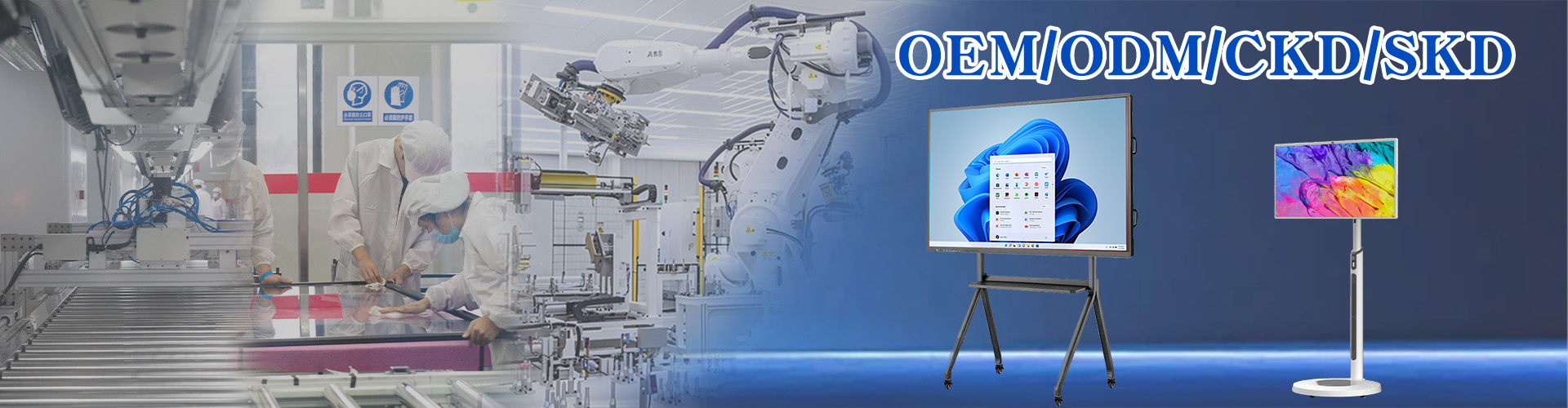
Qtenboard’s promotion highlights its in‑house production capacity, triple‑channel audio, premium screen specifications, versatile interfaces and powerful OEM/ODM capabilities, supported by numerous overseas bulk‑order cases. Marketing materials paint a picture of well‑equipped, cost‑effective hardware suited for meeting, education and retail signage scenarios. Nevertheless, most published parameters derive from ideal lab conditions rather than complex real‑project environments.
Multiple practical factors degrade real‑world performance. Take its flagship triple‑channel audio: though promoted for rich sound fields, limited cabinet space inside all‑in‑one devices, installation positions, wall reflections and ambient noise compromise actual sound quality. Screen brightness and touch‑response latency also vary with component batches and firmware versions. Since Qtenboard handles both proprietary‑brand products and heavy ODM orders, hardware components shift to match different client‑set budgets. Even identical model numbers deliver inconsistent experiences across production batches, a frequently‑cited pain point for integrators.
Marketing focuses heavily on hardware stacking while overlooking software experience and long‑term stability. Most units run generic off‑the‑shelf systems without in‑depth scenario tuning. Demo samples perform well in short‑term tests, yet concerns such as unstable screen casting, system lags and cooling noise under 7×24‑hour continuous operation rarely appear in promotional content. Its advertised delivery strength centers on mass shipment, with vague descriptions of domestic local after‑sales support; large‑project maintenance largely depends on partner integrators.
Buyers should apply careful screening: conduct on‑site prototype tests, lock key component standards in contracts, check local project feedback beyond overseas references, and formalize after‑sales terms. Ultimately, Qtenboard possesses solid manufacturing strengths, yet specifications do not equal real‑life experience. For commercial‑display procurement, on‑site validation and contractual safeguards serve as the most effective risk‑mitigation tools.


 Floor 6, Building A, No. 3, North District, Shangxue Science and Technology City, Xinxue Community, Bantian Street, Longgang District, Shenzhen City
 info@szqunmao.com
 +86 15920011166
 +86 15920011166