English
 Español
 Português
 Français
 Русский язык
 Italiano
 Deutsch
 Nederlands
 لعربية
 한국어
한국어 Japanese
 ภาษาไทย
 Türkçe
 Tiếng Việt
 Bahasa Indonesia
 Hindi
Hindi kazakh
 Uzbek
Uzbek Thai
Thai Farsi
Farsi
Qtenboard Factory Upgrades: Production, Metal‑Work, Clean‑Room Assembly & Global Certifications
 2026-08-24
 585
585



2026-08-24
585
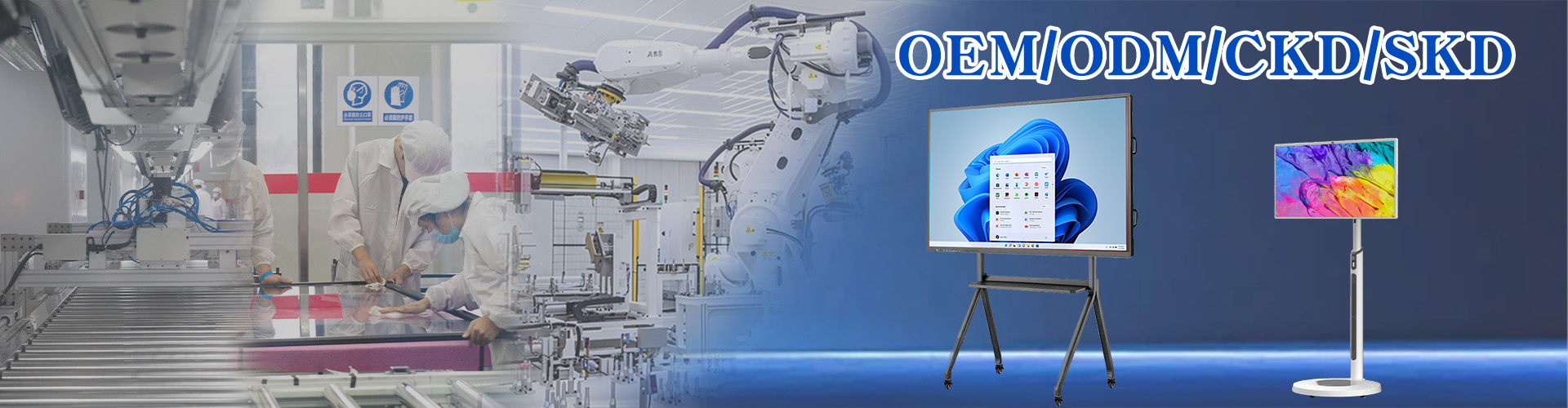
Many buyers only look at finished‑product specs when they source interactive whiteboards, video walls and digital signage. They overlook factory capacity and workflow structure. These behind‑the‑scene factors decide whether your order ships on time, whether units keep consistent quality across batches, and how much custom work you can get done without long delays. Qtenboard rolled out multiple major factory upgrades to fix real pain points global B2B buyers face every day.
You may have run into these troubles with other manufacturers before. Bulk orders get pushed back because small‑batch custom jobs take over production lines. External metal suppliers send parts with slight dimensional differences, which slow assembly and create visual gaps on finished displays. Screen batches come out with uneven brightness, and you find these issues only after goods arrive at your warehouse. Shipping gets blocked at customs because products lack correct certification documents. Our updated factory setup targets each of these common problems directly.
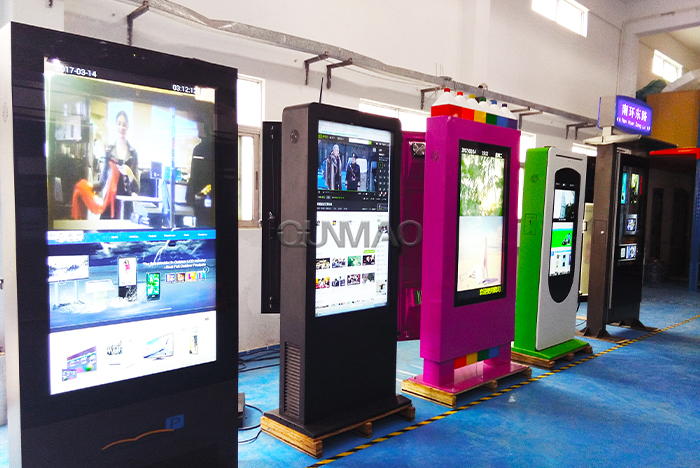
Qtenboard restructured its assembly shop floor into dedicated zones. Separate work areas handle interactive whiteboards, digital signage, and video walls. Each zone holds its own tool sets, material stock points and trained assembly teams. Every production line can ramp output up or down based on incoming order volume. The factory keeps a steady daily output above 200 finished display units under normal conditions.
When large clients submit bulk orders, target lines expand manpower and working stations. This expansion happens without pausing or shifting ongoing small‑volume orders. You will not see your sample order delayed because a big customer placed a huge container‑level purchase. That separation brings real stability for buyers who mix sample testing and mass procurement.
Zoned layout brings clear workflow improvements. Raw materials and spare parts go straight to matching work zones. Workers focus on one product category instead of switching between very different hardware every shift. Quality‑control inspectors stay assigned to fixed zones. They build deeper familiarity with typical defects for each product type. Production bottlenecks shrink, and lead times become predictable. Predictable lead times carry heavy weight for cross‑ocean shipments. You can arrange container booking and local warehouse planning with much higher confidence.
These lines also run standard‑model builds and custom‑request jobs side‑by‑side. OEM and ODM projects frequently ask for special casing colors, changed boot‑up screens, adjusted software settings, or modified interface layouts. Our zoning model lets us process these custom requirements alongside regular mass production. Custom orders do not force standard‑product output to drop. If you need 500 units of standard interactive panels plus 120 units with your brand‑specific software build, we can run both tasks in parallel.
Distributors: You can place mixed orders of multiple product lines. You do not need to split shipments across different factories.
Project integrators: Large‑scale education or corporate projects often need hundreds of units. Scalable lines absorb volume spikes without pushing delivery dates backward.
OEM brand owners: You can order small pilot batches for market testing, then scale up to full container runs when sales pick up.
Frame, bracket and back‑panel quality shapes both physical durability and visual finish of commercial displays. Many display makers buy all metal components from outside vendors. Qtenboard built a full internal metal‑processing workshop to take control over this key step. We now produce brackets, front frames and rear panels inside our own facility.
The workshop runs CNC bending machines, laser cutting machines and automated punching systems. These machines deliver tight dimensional control for every metal piece. Every hole position, bending angle and cut edge follows the same drawing standards for every production batch.
Outsourced metal parts often bring small‑but‑annoying variations. One batch of frames might sit 0.8 mm wider than the previous batch. When assembly workers fit screens and touch frames, these tiny offsets create assembly friction. In worst cases, mismatched metal parts lead to minor gaps on the finished device front. End‑users may not know the root cause, but they notice uneven looks. Such inconsistencies hurt your brand reputation when you resell these units.
Building metal parts in‑house removes that risk. Every batch follows identical tolerances. Surface finishing also stays uniform. You get consistent appearance and structural strength across thousands of units. When defects show up in metal parts, our own technicians diagnose and adjust equipment right away. You do not need to wait for third‑party supplier feedback cycles.
This internal capability opens new customization possibilities for you. You can ask for unique frame shapes, special surface coating colors, or extra mounting reinforcement structures. We modify drawings and run samples inside our plant, instead of sending files to outside factories and waiting for their production windows. Lead time for custom metal components shrinks noticeably. Total project cost also goes down, as you cut out intermediate supplier markup. These options fit brand‑building projects where you want hardware to match your corporate visual style exactly.
Special frame color finishes to match your brand identity
Reinforced back‑panel structures for heavy‑duty wall‑mount installation
Modified bracket geometries for non‑standard cabinet or kiosk integration
Extra cut‑outs on back panels for special‑purpose external wiring layouts
Display modules form the core of every interactive flat panel. Even high‑grade raw screens can end‑up with bad performance if assembly happens in ordinary dusty workshops. Tiny dust particles trapped between glass layers create visible dark spots. Finger‑print watermarks stay on backlight layers. Brightness varies across different screen zones after full assembly. All these issues only become obvious after the device powers on at client sites.
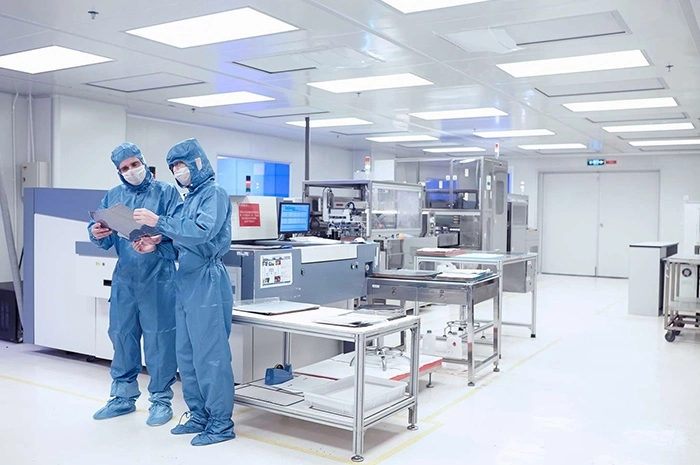
Qtenboard set‑up a dedicated clean‑room area for display‑module assembly. Operators follow strict dress‑code rules for entering this zone. Air‑filtration systems keep dust particle counts low during screen fitting, bonding and locking steps. This environment lowers the chance of dust‑caused visual defects significantly.
Every finished unit goes through systematic software‑driven testing. Our test stations check color reproduction accuracy, pixel integrity, and brightness uniformity across the whole screen surface. Test data gets logged per serial number. Our quality team reviews batch‑level test records. If a certain index starts drifting, engineers trace the source early in production, before large numbers of defective units get built.
This testing workflow supports high‑end multi‑touch interactive panels and high‑resolution video‑wall modules. Classroom interactive whiteboards run long daily hours under mixed lighting. Corporate meeting‑room panels face frequent annotation and tapping. Retail digital signage operates 12‑16 hours per day for months on end. Our clean‑room assembly plus data‑logging testing helps hardware hold stable visual and touch performance under these heavy‑use scenarios.
You gain tangible benefits when you receive goods. Your after‑sales support team handles fewer screen‑quality complaints. Your return rate drops. You save time and money spent on handling customer complaints and product replacements.
Screen defects caused by dust during assembly often pass initial visual checks. Problems only show up after weeks of running time. Our clean‑room setup targets this hidden failure source at the production stage.
Qtenboard holds complete sets of widely‑recognized international certificates: CE, FCC, RoHS and ISO9001. A separate in‑house compliance department takes charge of production‑process audits, inspection‑record sorting and export documentation preparation. They make sure each production round aligns with certificate requirements.
Regulatory rules differ across global markets. European markets require CE marking and RoHS compliance for electronic goods. North‑American imports demand FCC compliance. Many Middle‑East and Latin‑American customs authorities check these documents strictly before cargo release. Missing or incomplete paperwork creates real risks. Your container can get held at port, incur storage fees, or even get rejected for import.
Our compliance team tracks document validity. Certificates get renewed on schedule. Test‑report copies get arranged for your customs clearance use. We help you lower risks of shipment hold‑ups, product recalls or border rejections. You get a supply‑chain partner who understands real‑world export requirements, not only product hardware specs.
For distributors and project integrators, reliable certification support simplifies your whole import workflow. You do not need to spend extra time hunting for valid test documents or negotiating with manufacturers to update expired certificates. That saves your administrative manpower and reduces project‑schedule uncertainty.
| Factory Upgrade Item | Core Hardware & Process Features | Direct Benefits For You As Buyer |
|---|---|---|
| Zoned Scalable Production Lines | Separate zones for interactive whiteboards, digital signage, video walls; expandable stations; daily output over 200 units; mixed standard‑custom order support | Stable lead‑times for bulk orders; samples and mass‑production run in parallel; flexible order‑size adjustment for distributors and project buyers |
| In‑House Metal Processing Workshop | CNC bending, laser cutting, automated punching; in‑house frame, bracket and back‑panel manufacturing | Tight component tolerances; consistent visual appearance batch‑to‑batch; fast‑track custom metal‑structure requests; reduced third‑party supplier risks |
| Clean‑Room Display‑Module Assembly | Dust‑controlled assembly space; software‑based brightness, color and pixel testing; serial‑number‑linked test‑data logging | Fewer dust‑related screen defects; stable touch and display performance; lower after‑sales return rate for large‑volume deployments |
| International Compliance System | Dedicated compliance team; CE, FCC, RoHS, ISO9001 certification management; export document preparation | Smooth customs clearance for Europe, North‑America and other global markets; lower risk of cargo hold‑up or product recall |
| Full‑Process Integration of All Upgrades | Production‑line zoning + internal metal‑work + clean‑room assembly + compliance management work together as one system | Reliable OEM / ODM service; stable quality for large‑scale projects; predictable delivery cycles for overseas container shipments |
You get steady output capacity. Batch‑to‑batch visual and structural consistency stays high. Complete certification documents come ready for your import process. You can schedule multiple container shipments without worrying about sudden quality shifts.
Custom metal‑frame requests go through our internal workshop, with no external supplier waiting periods. Custom software builds run alongside standard‑product production. Test records and compliance files adapt for your branded finished goods. You keep your project timeline under better control.
Sample runs do not get pushed aside by huge orders. Same assembly environment and same testing standards apply to small‑quantity units. What you test in sample phase matches the mass‑production goods you receive later.
Q1: How does Qtenboard manage very large‑volume orders without disrupting small‑batch or sample production?
A1: Our factory uses physically separated production zones. When big orders arrive, we expand manpower and stations inside the target zone. Other zones keep running sample‑level and small‑batch jobs normally. Your sample testing schedule will not get sacrificed for other clients’ large‑volume requirements.
Q2: What real advantages does in‑house metal processing bring compared with buying metal parts from outside vendors?
A2: We hold tighter dimensional tolerances for frames and brackets. Visual look stays consistent across production batches. You can submit custom‑shape or custom‑finish requests with shorter lead‑time. You avoid delays and quality risks caused by third‑party‑supplier instability.
Q3: What kinds of screen‑quality risks does the clean‑room assembly help you avoid?
A3: It cuts down dust‑particle spots trapped under display glass, fingerprint watermarks and uneven brightness caused by unclean assembly conditions. Every unit also goes through software‑driven brightness and color checks, with test data logged against each unit serial number.
Q4: Can Qtenboard provide copies of CE, FCC, RoHS and ISO9001 documents for customs‑clearance use?
A4: Yes. Our compliance department supplies valid document copies for your import procedures. We keep track of certificate expiry dates and complete renewal work ahead of time, so you will not meet expired‑document troubles during cargo import.
Q5: If I place an OEM order with custom frames, how much extra time should I plan for metal‑part production?
A5: It depends on frame‑design complexity. Simple frame‑color adjustments take relatively little extra time. Complex new‑shape structures need sample‑making cycles. Our sales team gives you clear timeline estimates after reviewing your drawing or requirement description.
Q6: Can we arrange factory visits to see these production zones in person?
A6: Yes. You can book factory tours. You will view zoned assembly lines, metal‑processing workshop and clean‑room assembly area. Contact our business team to schedule your visiting time ahead of your trip.
Q7: Do these factory upgrades raise product prices for standard‑model buyers?
A7: Internal process optimization lowers loss rates and improves production efficiency. Most standard‑product price levels stay unchanged. You get better consistency and export‑ready documentation without extra cost for regular‑model purchases.
Q8: Where can I check Qtenboard standard product lineup and project case references?
A8: You can view our product catalog via https://www.szqunmao.com/product.html. Project‑related news and case materials are available at https://www.szqunmao.com/news.html.
When you pick a display manufacturer, you buy more than finished hardware. You buy their whole production system. Scalable assembly zones, in‑house metal‑processing, dust‑controlled screen assembly and dedicated compliance work combine to shape your actual order experience.
Many factories look good on product brochures, but they lack these behind‑the‑scene capabilities. You end‑up fighting delayed shipments, inconsistent batches or customs‑document headaches. Qtenboard built these upgrades to solve those real‑world pain‑points for global B2B buyers. Whether you need standard bulk goods, custom OEM hardware, or pilot‑run sample units, our improved factory setup supports your project goals.

 Floor 6, Building A, No. 3, North District, Shangxue Science and Technology City, Xinxue Community, Bantian Street, Longgang District, Shenzhen City
 info@szqunmao.com
 +86 15920011166
 +86 15920011166