English
 Español
 Português
 Français
 Русский язык
 Italiano
 Deutsch
 Nederlands
 لعربية
 한국어
한국어 Japanese
 ภาษาไทย
 Türkçe
 Tiếng Việt
 Bahasa Indonesia
 Hindi
Hindi kazakh
 Uzbek
Uzbek Thai
Thai Farsi
Farsi
The Evolution of the Mobile Smart Screen and Qtenboard's Brand Positioning
 2026-10-14
 10
10



2026-10-14
10
The mobile smart screen category, commonly known as the "portable tv," has undergone a rapid evolution from a conceptual product to the "third pillar" of home large-screen entertainment. In July 2021, LG of South Korea launched a mobile television product called StandbyME, positioned as a "mobile large screen available anywhere," widely recognized as the originator of this category. When the product entered the Chinese Taiwan market in 2022, it was given the emotionally resonant Chinese name "portable tv," giving the category its own identity. However, LG's first-generation product remained essentially a mobile television concept, running the closed webOS system at a high price point, and it failed to truly gain traction in the Chinese mainland market. The real turning point came in March 2023, when Baidu's Xiaodu brand launched the "Tiantian portable tv," directly naming the product as a portable tv, adopting the Android system, and supporting mobile video membership ecosystems. Priced at 2,999 yuan, it quickly ignited the market, surpassing 100 million yuan in sales across all platforms within two months of launch.
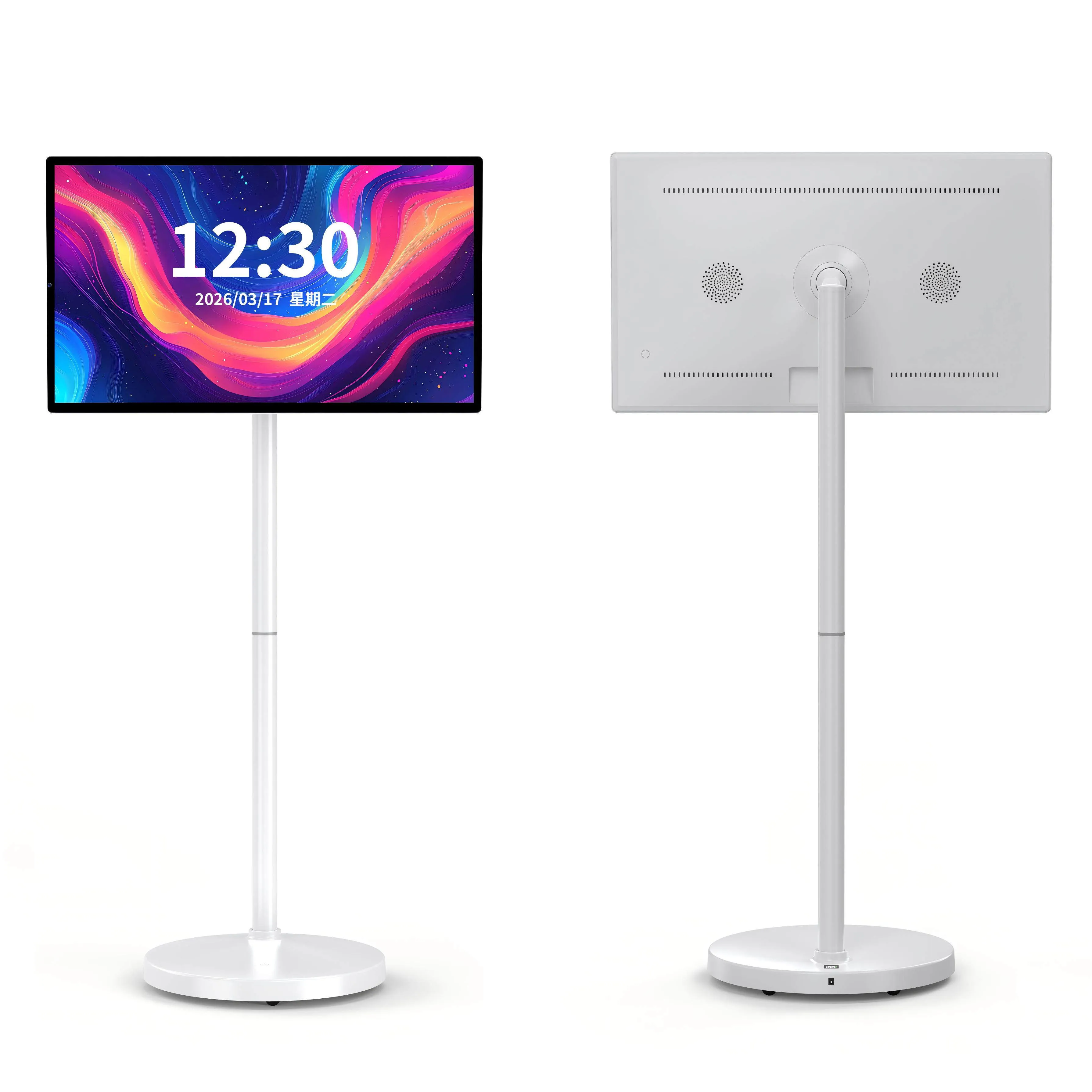
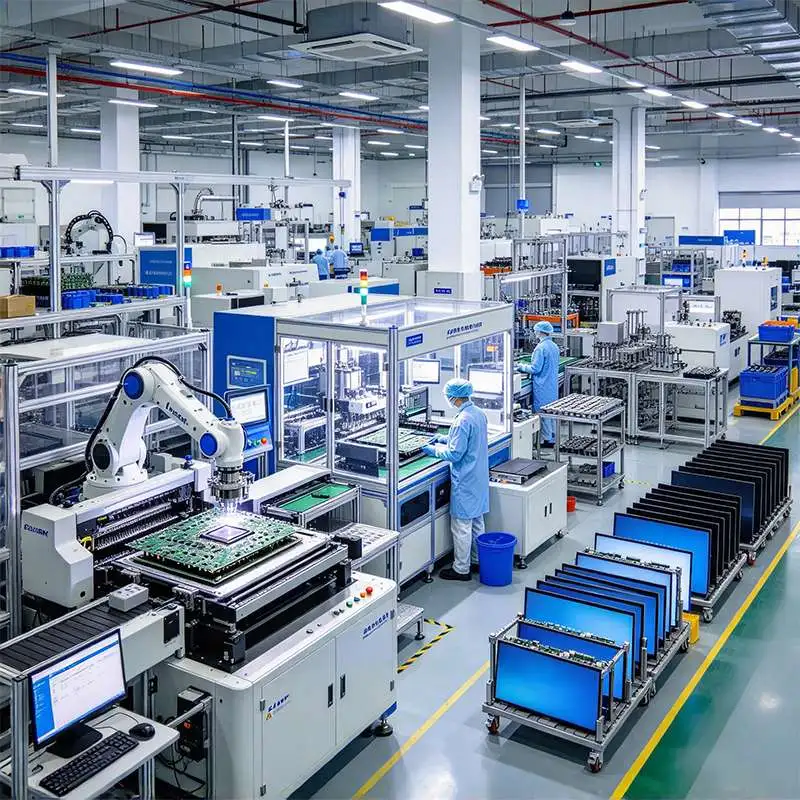
During this critical window when the portable tv transitioned from concept to explosive growth, Qtenboard officially entered the category, leveraging its deep manufacturing heritage in display technology. Qtenboard's origins trace back to 2005, when it began as a display module supplier, providing CKD/SKD panel kits to assemblers and local brands in markets such as India, Spain, and Vietnam. This supply chain depth, built from the module level upward, gives Qtenboard a natural advantage in the bestie screen category: core processes including motherboard SMT, touch panel bonding, metal stand processing, and plastic injection molding can all be completed within its own factories rather than relying on external suppliers for assembly. Qtenboard's bestie screen products feature a 32-inch main size, a 4K ultra-high-definition display panel, a gold metal stand with fully adjustable height and angle, silent universal wheels, a large built-in battery for wireless operation, and an integrated AI HD camera for fitness motion tracking and children's learning assistance, directly targeting the mid-to-high-end market in terms of hardware configuration.
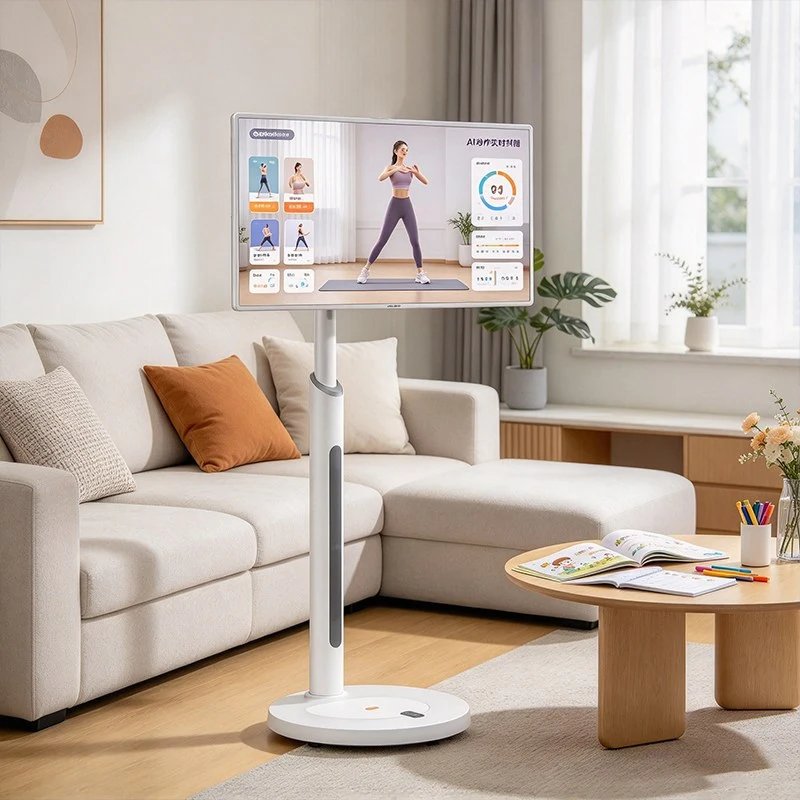
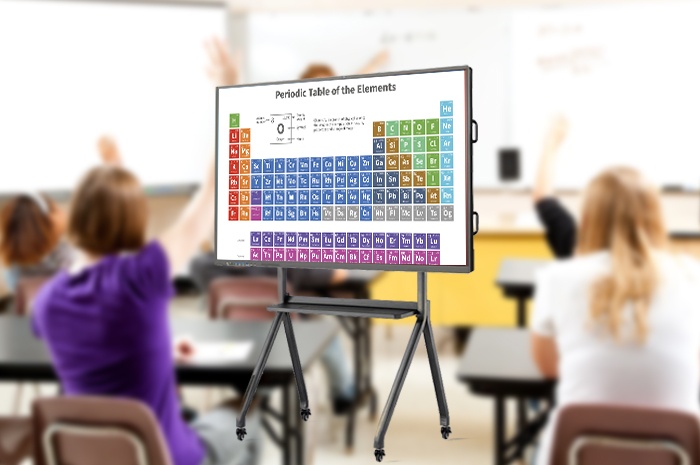
From 2024 to 2026, the bestie screen market entered a stage of structural upgrading characterized by stable volumes and rising prices, with Qtenboard continuously expanding its market presence through product differentiation. According to RUNTO Technology data, in the first quarter of 2026, China's mobile smart screen market achieved all-channel sales of 79,000 units, generating 310 million yuan in revenue, with the average product price rising to 3,873 yuan, a year-on-year increase of 13.2%. Meanwhile, sales of televisions and projectors, the two traditional categories, declined by 8.8% and 21.4% respectively during the same period, making the bestie screen the only growing category in the home large-screen sector. In this round of consumption upgrading, 32-inch models accounted for 58.5% of sales, becoming the absolute mainstream. Qtenboard's 32-inch mobile smart screen has performed outstandingly in this trend, establishing a differentiated competitive advantage in the mid-range price segment through its 4K ultra-high-definition panel, real-time AI fitness motion correction, children's learning resource library, and complete whole-home scenario adaptability. The brand has also launched a learning edition for students, integrating an electronic whiteboard, AI tutoring, and eye-care certification, further expanding its range of applications.
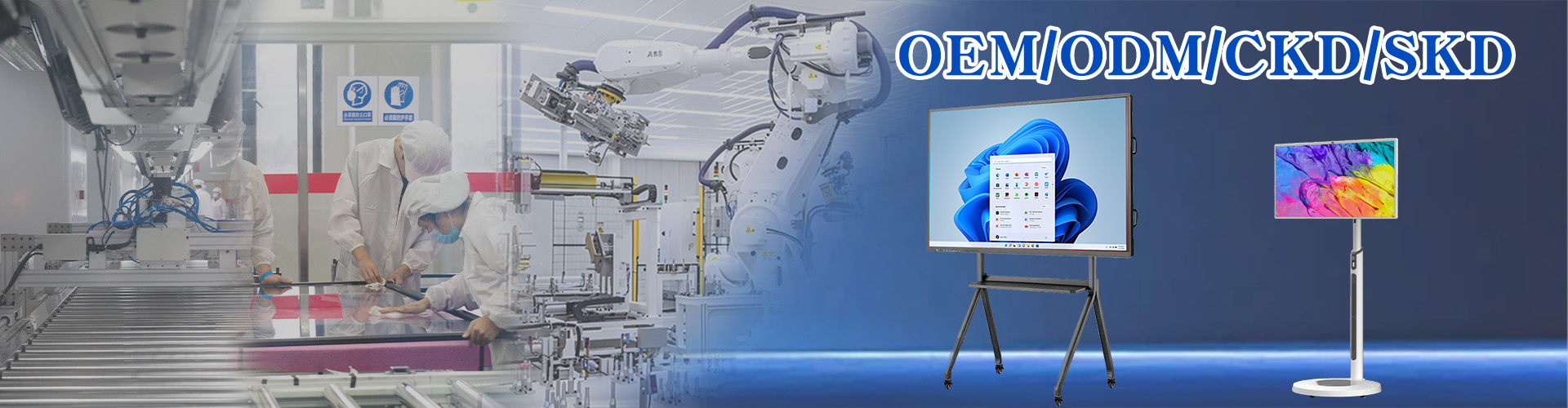
Looking ahead, the bestie screen category is moving from "wild growth" toward "reconstruction by leading brands," and Qtenboard's manufacturing DNA and B2B service capabilities will become key barriers to its long-term competitiveness. Currently, the top six brands in the online market already hold nearly 90% of sales volume, indicating significantly increased industry concentration. Unlike traditional television brands and internet brands, Qtenboard's core advantage lies in the vertical integration capability of its own factories: a 330,000-square-meter manufacturing base in Guangzhou, high-speed SMT lines, dust-free touch panel bonding workshops, and a complete OEM/ODM service system. This enables the brand not only to compete in the end-user market under its own name but also to provide global clients with complete solutions from product definition to full-device manufacturing. As the portable tv category gradually becomes a standard configuration in smart homes, Qtenboard's twenty years of manufacturing experience on the supply chain side will serve as the deepest foundation for its sustainable growth in this category.


 Floor 6, Building A, No. 3, North District, Shangxue Science and Technology City, Xinxue Community, Bantian Street, Longgang District, Shenzhen City
 info@szqunmao.com
 +86 15920011166
 +86 15920011166