English
 Español
 Português
 Français
 Русский язык
 Italiano
 Deutsch
 Nederlands
 لعربية
 한국어
한국어 Japanese
 ภาษาไทย
 Türkçe
 Tiếng Việt
 Bahasa Indonesia
 Hindi
Hindi kazakh
 Uzbek
Uzbek Thai
Thai Farsi
Farsi
Qtenboard: Benefits and Dilemmas of Running OEM/ODM alongside Its Own Brand
 2026-09-11
 207
207



2026-09-11
207
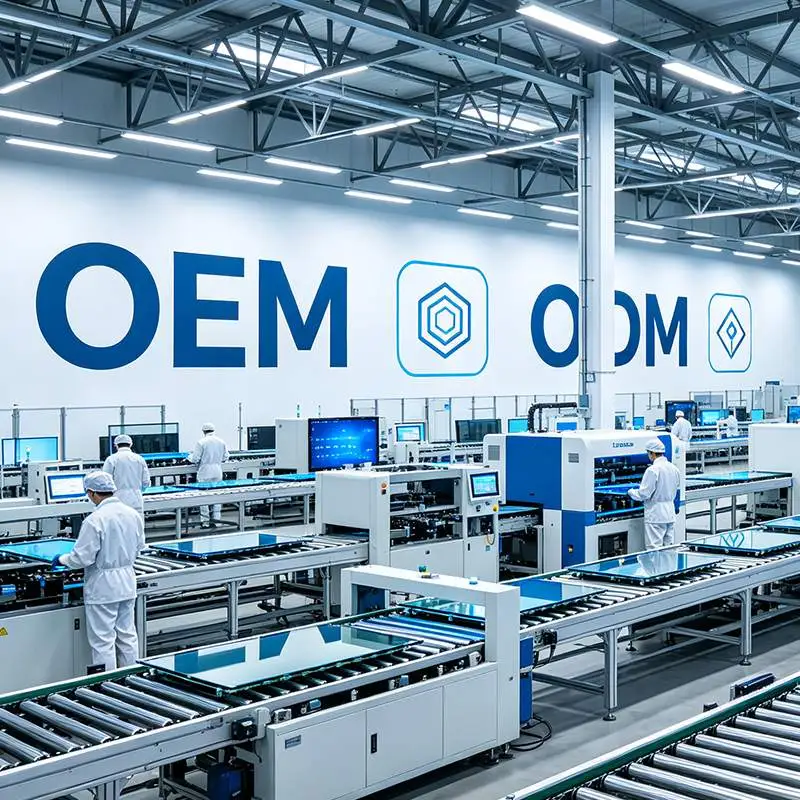
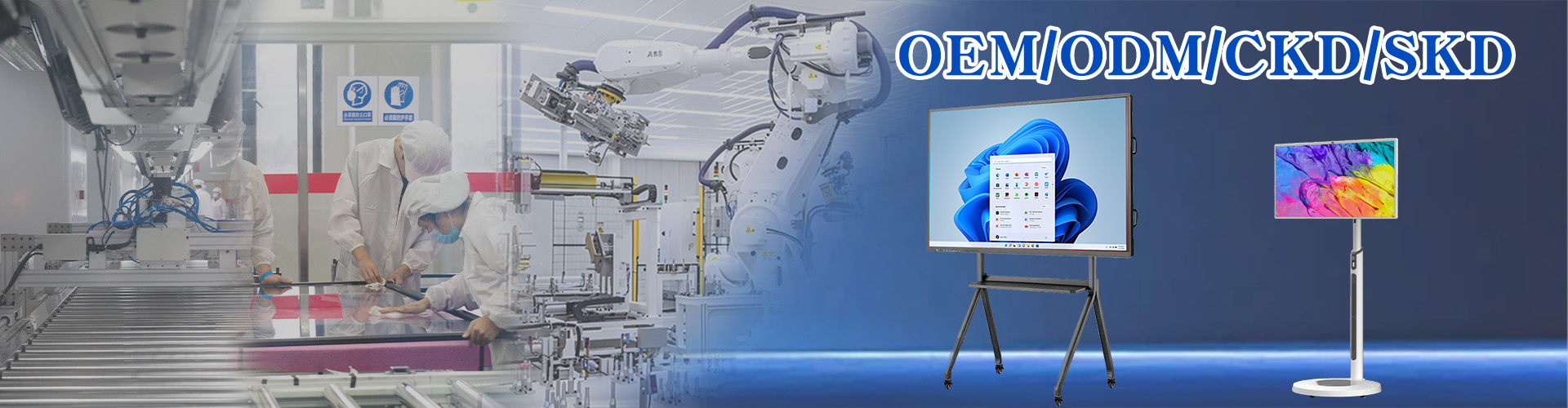
Many original‑equipment manufacturers in the commercial‑display sector run OEM/ODM outsourcing businesses while building proprietary‑brand product lines. Qtenboard serves as a typical example of this dual‑track model. Although outsourcing brings revenue‑scale dividends, it triggers practical conflicts over quality consistency and capacity allocation, drawing widespread industry discussion.
OEM and ODM operations constitute Qtenboard’s fundamental business pillar. Supported by its in‑house production lines, the firm delivers deep‑customization solutions for overseas distributors and domestic integrators. Services cover hardware selection, firmware adjustment and boot‑interface modification, rather than mere logo replacement, and it handles large‑volume overseas branding projects. Outsourcing orders absorb excess production capacity, dilute R&D and manufacturing costs, boost shipment volumes, and accumulate manufacturing expertise and supply‑chain resources to underpin its proprietary‑brand development. Its robust customization capability acts as its core competitive advantage to attract partners aiming to launch their own product lines.
Nevertheless, this dual‑business model arouses widespread market concerns. Integrators and buyers worry most about fluctuating product quality across orders. OEM projects adopt varying component BOMs according to client budgets. For identical‑looking models, component standards drop when outsourcing clients pursue cost cuts. Reports indicate Qtenboard’s proprietary‑brand demo units perform well, yet certain outsourced batches downgrade hardware, creating inconsistent real‑world performance and raising doubts over mass‑production quality stability.
Capacity competition represents another conflict. Production lines, engineering staff and supply‑chain resources are limited. During peak seasons, large outsourcing orders compete with proprietary‑brand projects for production schedules. Buyers fear that huge overseas OEM orders may squeeze delivery cycles and technical support for in‑house brand products, while OEM clients worry about delayed shipments due to internal‑brand priority. Frequent production‑line switches also challenge yield rates and batch consistency.
Besides, heavy ODM public‑model output dilutes Qtenboard’s brand differentiation, since proprietary technical selling points are also shared with OEM partners. To balance outsourcing scale and brand reputation, strict order‑segmentation management and clear material‑standard rules are required. Purchasers need to verify component lists for mass‑delivery goods instead of judging only by demo samples. Qtenboard’s dual‑track strategy offers attractive rewards yet demands careful trade‑offs among profit, resources and quality control.


 Floor 6, Building A, No. 3, North District, Shangxue Science and Technology City, Xinxue Community, Bantian Street, Longgang District, Shenzhen City
 info@szqunmao.com
 +86 18122059419
 +86 18122059419