English
 Español
 Português
 Français
 Русский язык
 Italiano
 Deutsch
 Nederlands
 لعربية
 한국어
한국어 Japanese
 ภาษาไทย
 Türkçe
 Tiếng Việt
 Bahasa Indonesia
 Hindi
Hindi kazakh
 Uzbek
Uzbek Thai
Thai Farsi
Farsi
Qtenboard in the Mid‑tier Commercial Interactive Panel Arena
 2026-09-07
 228
228



2026-09-07
228
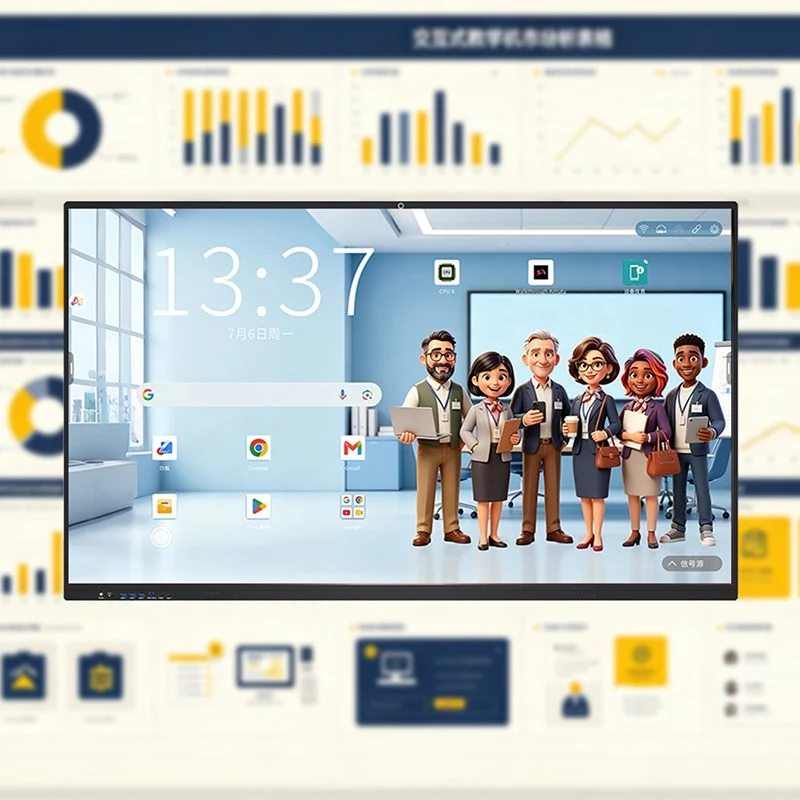
The mid‑tier commercial interactive panel segment has turned into a red‑ocean market, with steady demand from meeting, education and retail digital‑signage scenarios. Top‑tier brands secure high‑value projects via complete software‑hardware solutions and nationwide service networks. As a manufacturing‑oriented participant, Qtenboard carves out its position within this mid‑range track by leveraging hardware production and customization capabilities, yet gaps remain between marketed specifications and real‑world performance.
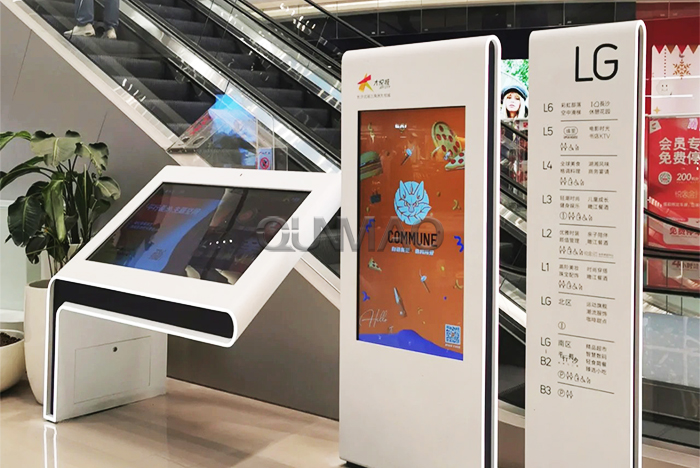
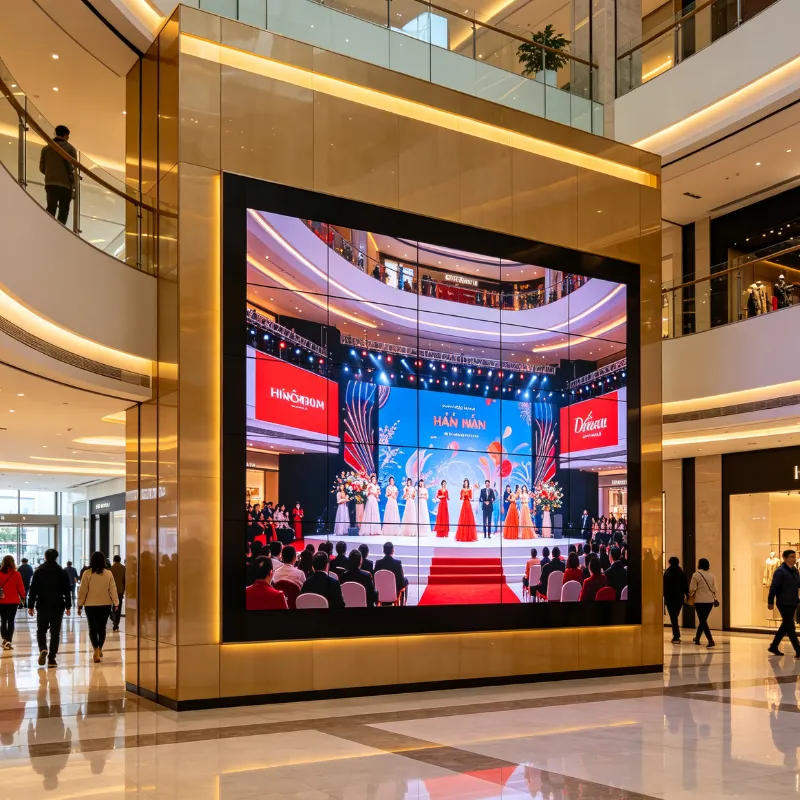
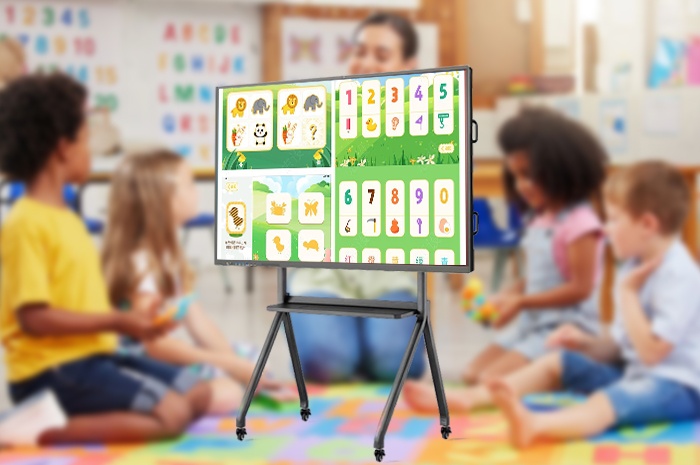
Qtenboard avoids fierce competition for high‑end government‑enterprise benchmark projects and targets B‑end buyers with moderate budgets. For meeting‑room applications, its products mainly serve small‑and‑medium private enterprises and branch offices, offering comprehensive hardware options and configurable features for integrators’ bulk purchases. In education, it focuses on private training institutions and small learning classrooms, steering clear of demanding public‑sector bidding markets. Retail digital signage constitutes its strength, catering to stores and exhibition halls, alongside robust overseas bulk orders and ODM OEM contracts.
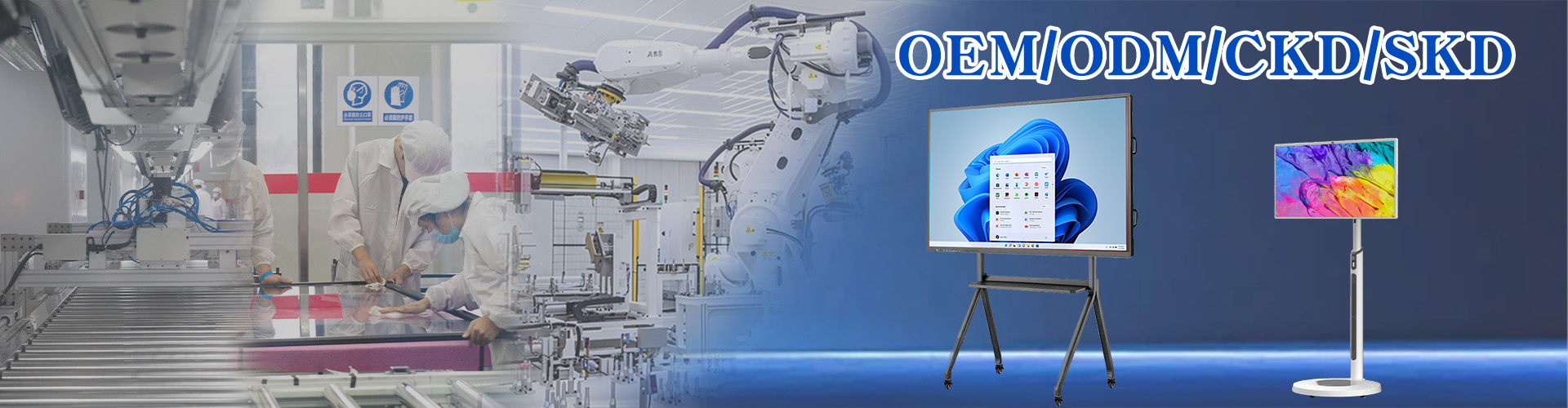
Its core strengths lie in hardware manufacturing. With in‑house production lines, Qtenboard provides flexible selections for displays, speakers and ports, supporting multi‑grade configuration adjustments. Deep‑level OEM and ODM customization covers system revisions, appearance tweaks and boot‑interface adaptation. Competitive pricing under identical hardware specifications attracts cost‑focused integrators and international purchasers. Promotional materials emphasize hardware selling points including display metrics, triple‑channel audio and rich‑port expansion.
Significant weaknesses still exist. Its software capacity falls behind industry leaders. Whiteboard, screen‑casting and conference algorithms mostly adopt generic off‑the‑shelf solutions lacking scenario‑specific optimizations. Experience gaps emerge in large‑scale meetings and standard teaching settings regarding writing smoothness, casting stability and noise reduction. Sparse local after‑sales outlets force heavy reliance on partner integrators, raising doubts over support for large projects. Furthermore, component quality shifts according to client‑defined cost budgets, so advertised specs such as triple‑channel audio do not always translate perfectly into on‑site user experience.
In short, Qtenboard is a typical mid‑tier hardware‑focused manufacturer excelling at customization for small‑scale business projects and overseas OEM business. To move upward, it must improve software algorithms, local services and benchmark project accumulation instead of merely stacking hardware parameters.


 Floor 6, Building A, No. 3, North District, Shangxue Science and Technology City, Xinxue Community, Bantian Street, Longgang District, Shenzhen City
 info@szqunmao.com
 +86 18122059419
 +86 18122059419