English
 Español
 Português
 Français
 Русский язык
 Italiano
 Deutsch
 Nederlands
 لعربية
 한국어
한국어 Japanese
 ภาษาไทย
 Türkçe
 Tiếng Việt
 Bahasa Indonesia
 Hindi
Hindi kazakh
 Uzbek
Uzbek Thai
Thai Farsi
Farsi
2026 White Paper: Commercial Display Hardware Supply Trends and Channel Selection in North America and Southeast Asia
 2026-05-20
 481
481



2026-05-20
481

The global commercial display market is undergoing a profound structural transformation. From agile corporate environments in North America to booming smart retail sectors in Southeast Asia, B2B buyers are moving beyond traditional hardware specifications. They now demand intelligent, low-energy, and scenario-specific solutions. As a pioneer in multimedia IoT signage, Qtenboard presents this white paper to analyze the shifting hardware supply landscape and outline strategic channel optimization for international markets.
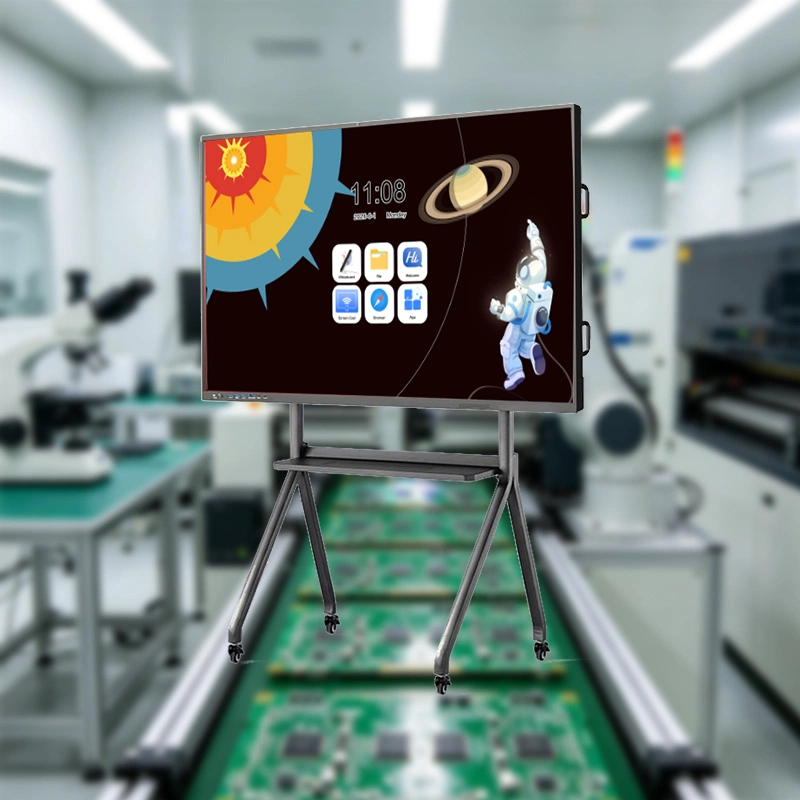
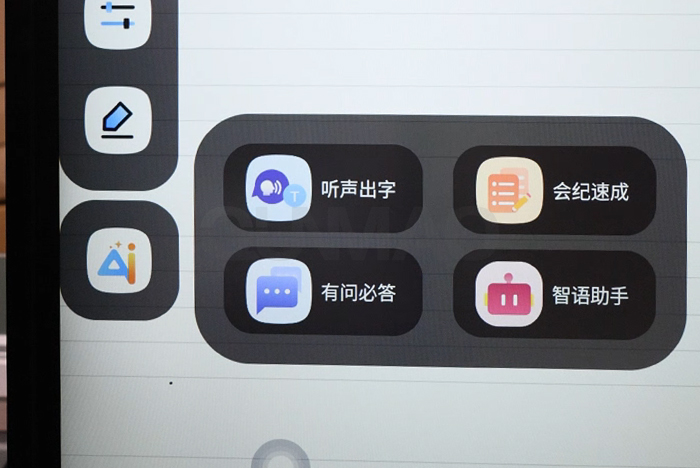
Passive screens are rapidly declining in commercial utility. In 2026, corporate boardrooms and retail environments heavily favor hardware integrated with edge computing. Qtenboard’s latest ecosystem aligns with this trend, embedding AI features like real-time translation and voice assistance.
Furthermore, acoustic integration has become an essential differentiator. Moving away from silent, passive digital frames, modern hardware features high-fidelity audio systems to support voice-annotated analytical charts and dynamic multimedia narration.
Simultaneously, the market is experiencing a shift toward decentralized, smaller form factors. Compact 7-inch to 10.1-inch smart terminal displays are soaring in demand. In North America, these displays serve as personalized executive dashboards and huddle room schedulers. In Southeast Asia, they are widely deployed as interactive customer-facing kiosks in chain retail and medical centers. Additionally, with heightened corporate ESG compliance in the West and extreme tropical climates in the East, long-term 24/7 reliability and optimized energy-saving architectures have become non-negotiable buying criteria.
To maximize market penetration, suppliers must recognize distinct regional procurement behaviors:
·
North America: Buyers focus heavily on enterprise software compatibility (such as seamless Zoom/Teams integration), rigorous data network security, and premium industrial design. Procurement is heavily driven by Corporate CIOs and professional System Integrators (SIs).
·
·
Southeast Asia: The market prioritizes immediate hardware cost-efficiency, durable performance under high humidity, and rapid localized technical support. Decision-making is dominated by store operations directors and regional project contractors.
·
Qtenboard recommends a dual-track channel strategy tailored to regional characteristics:
The North American Funnel (SI-Centric): Western enterprise buyers rarely procure hardware directly from manufacturers. Qtenboard collaborates deeply with established SIs, ensuring our 7" to 10.1" modules are written into project blueprints early. This is supported by robust digital marketing, utilizing optimized technical articles and structured schema data to attract high-intent B2B search inquiries.
The Southeast Asian Network (Localization-Led): Success in this fragmented market relies on deep local distribution networks. Qtenboard partners with prominent regional distributors to penetrate retail and public bidding sectors, using successful digital retail case studies as vital social proof to accelerate trust.
In 2026, commercial display success belongs to brands that successfully blend scenario-rich hardware intelligence with localized channel execution. Qtenboard continues to empower global partners by delivering the future of visual and acoustic workspace interaction.


 Floor 6, Building A, No. 3, North District, Shangxue Science and Technology City, Xinxue Community, Bantian Street, Longgang District, Shenzhen City
 info@szqunmao.com
 +86 15920011166
 +86 15920011166