English
 Español
 Português
 Français
 Русский язык
 Italiano
 Deutsch
 Nederlands
 لعربية
 한국어
한국어 Japanese
 ภาษาไทย
 Türkçe
 Tiếng Việt
 Bahasa Indonesia
 Hindi
Hindi kazakh
 Uzbek
Uzbek Thai
Thai Farsi
Farsi
Supply‑Chain Growth in China’s Commercial Display Sector and Qunmao Display’s Progress
 2026-08-18
 1316
1316



2026-08-18
1316
The commercial display equipment industry brings both real chances and tough competition. New updates on company partnerships and capacity expansion surface every month. Qunmao Display Technology Co., Ltd. draws consistent attention as it moves forward alongside the expanding domestic industrial cluster.
The first five months of the year brought strong activity inside Qingdao New Display Industrial Park. Five fresh key projects got official signing paperwork. Twelve existing projects including Fusion New Materials moved forward on construction timelines. Many well‑known domestic and international industry players set up operations here. BOE, Hisense Visual, Fusion Optoelectronics and Wanda Optoelectronics all maintain local bases within this zone.
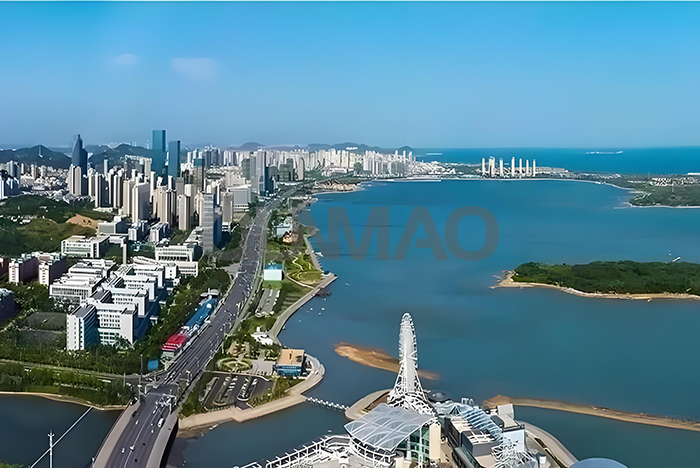
BOE’s mobile display module manufacturing plant delivers measurable output. Fifty‑three module production lines stand built. Forty‑seven of those lines have passed full qualification checks. Production volumes keep climbing month over month. Hisense’s high‑performance anti‑light screen project sits near final construction phases. Planned production start falls at month‑end. This facility will become northern China’s largest production site for anti‑light display panels. All these local developments show the whole commercial display industry pushing toward larger‑scale output and higher levels of specialization.
May also marked a major capital move from Qingdao Development Zone Investment and Construction Group Co., Ltd. The group secured controlling shares in Xi’an Ruilian New Materials Co., Ltd. through share transfer plus voting right delegation. Ruilian New Materials operates as an upstream supplier for new‑display and integrated‑circuit sectors. It posts solid results across monomer liquid crystal, OLED materials and innovative drug intermediate lines. Few domestic firms can run large‑batch OLED‑material production. Ruilian counts itself among that small group. Its monomer liquid‑crystal R&D and manufacturing sit at top global tiers. Its product portfolio matches Qingdao’s industrial‑chain priorities perfectly. This acquisition adds tangible resources for whole‑chain local growth.
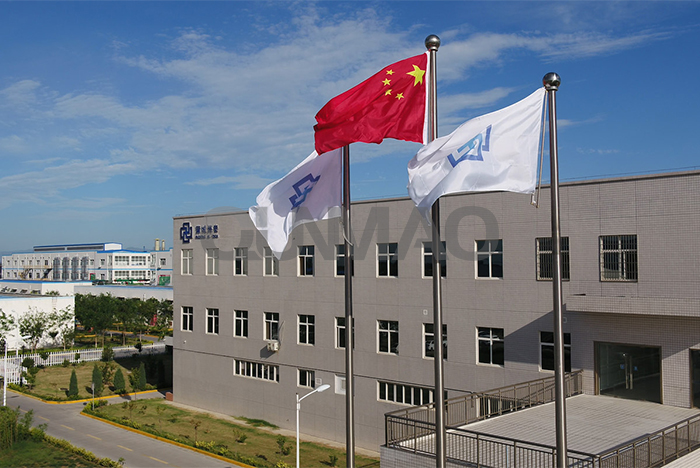
Inside this fast‑moving industrial environment, Qunmao Display Technology Co., Ltd. keeps testing new directions and putting in consistent work. The company focuses its resources on commercial‑display equipment R&D and manufacturing. It watches real‑world market shifts closely and keeps working on technical improvements. These efforts help it build standing inside competitive global markets.
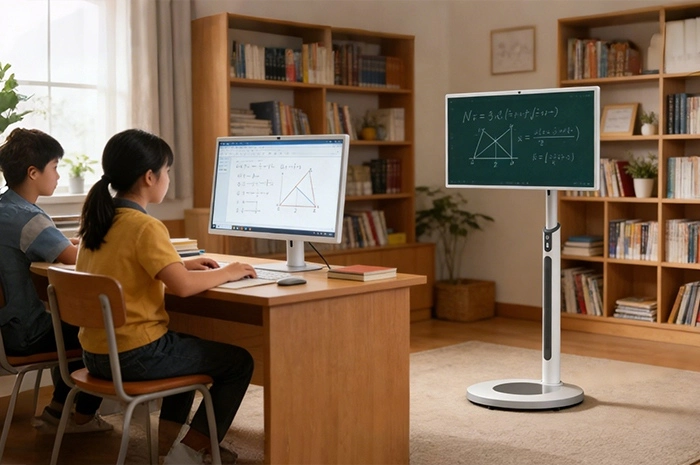
Buyers now ask for commercial‑display hardware with better image quality and wider functional sets. Qunmao allocates more people and lab hours toward product iteration. New‑generation display units deliver clear improvements on visual performance. Color output becomes brighter. Contrast ratios rise to higher measured values. You can deploy these devices for outdoor advertising boards. You can place them inside meeting rooms or classroom spaces. Each small visual detail stays sharp to end users. Viewing experience improves for every application scenario.
No single manufacturer builds complete commercial‑display hardware alone. You rely on upstream material vendors, component factories and software teams. Qunmao builds practical working ties with multiple links across the value chain. It learns from proven industry practices and brings in suitable component technologies.
Material‑supplier cooperation: Qunmao evaluates incoming glass, polarizing film and backlight parts. Every batch goes through sample testing before mass‑order confirmation. This step lowers failure rates for finished units after shipment.
Hardware‑component alignment: The firm maintains communication with panel and touch‑sensor makers. It adjusts hardware parameters so raw panels fit final interactive‑display requirements. Field‑test data feeds back to component partners for further tweaks.
Software‑team collaboration: Internal and external software teams build interactive operating layers. These tools simplify daily operation for teachers, meeting hosts and retail operators. New feature requests from global buyers go straight into software‑update roadmaps.
Project‑oriented validation: Before large‑volume shipments, Qunmao runs continuous‑cycle testing. It simulates long‑hour classroom operation, retail signage runtime and meeting‑room usage patterns. Problem points get fixed before goods leave production floors.
These joint efforts lift real‑world product performance. More project buyers send repeat orders. Qunmao holds stable ground in commercial‑display markets and grows alongside bigger industry participants.
| Company Name | Core Industrial Position | Main Product Lines | Major Local Progress in Qingdao Area | Typical Downstream Application |
|---|---|---|---|---|
| BOE | Mid‑stream module & panel supplier | Mobile display modules, LCD panels | 53 built module lines; 47 certified for mass output | Mobile devices, commercial display terminal brands |
| Hisense Visual | Terminal finished‑product manufacturer | Anti‑light screens, commercial displays, television hardware | Large anti‑light‑screen plant nearing production launch | Retail, enterprise meeting, household television |
| Xi’an Ruilian New Materials | Upstream material developer | Monomer liquid crystal, OLED raw materials | Strategic holding acquired by Qingdao local investment group | Panel factories across domestic display parks |
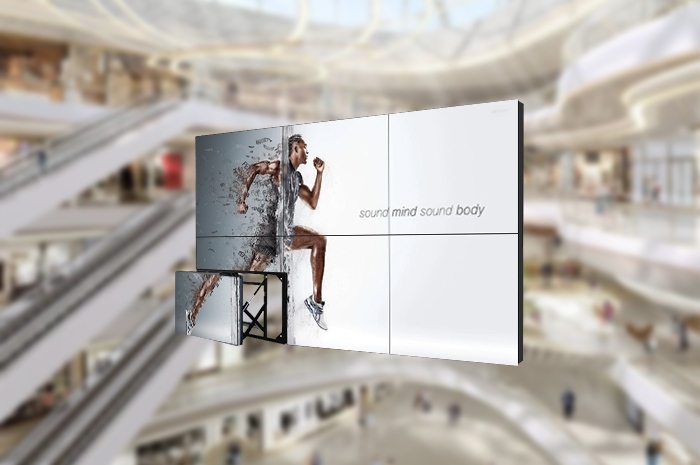
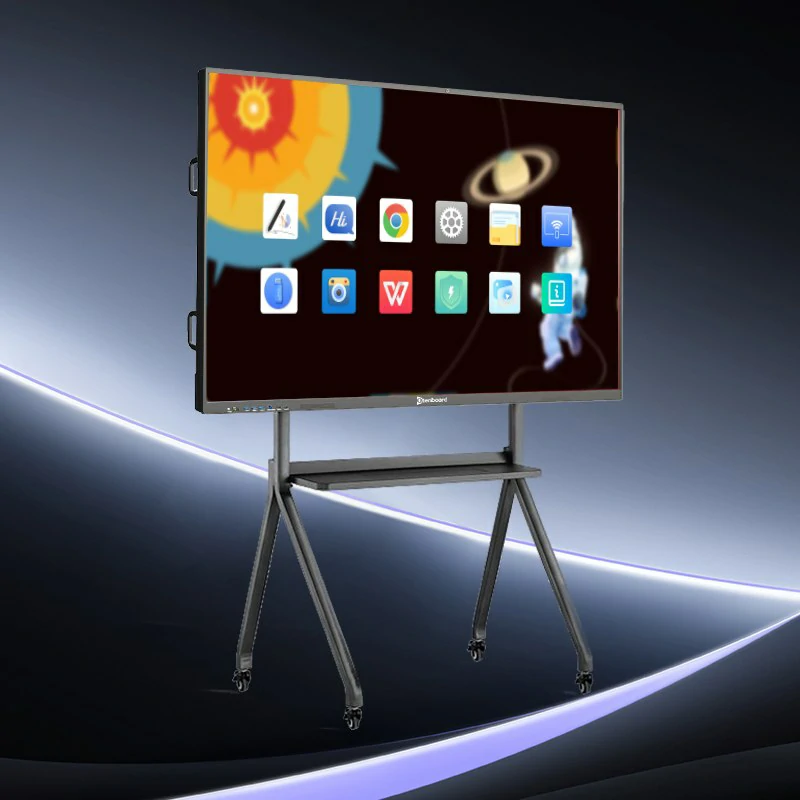
| Qunmao Display | Downstream commercial‑display finished‑goods maker | LCD splicing screens, interactive conference panels, education displays | Uses local‑chain component resources for finished‑device assembly | Education classrooms, corporate meeting rooms, retail digital signage |
Many buyers only scan specification sheets. Real‑world installation and long‑term running decide whether your project delivers expected value. Below points draw from hundreds of real‑world project cases across different regions.
Confirm supply‑chain stability for your bulk orders. Ask your vendor where core panels and touch sensors come from. Supply disruptions can push delivery dates back several weeks.
Match screen brightness to your actual installation environment. Indoor meeting‑room units work well at 350‑450 nits. Spaces with strong natural light need 700 nits or higher brightness levels.
Check physical mounting weight limits. Large‑size interactive panels carry heavy mass. Wall‑mount brackets and wall structures must support full device weight safely.
Plan for after‑sales service before you sign purchase contracts. Ask about spare‑part stock, firmware update channels and remote‑troubleshooting response windows.
Test software compatibility ahead of large‑scale roll‑out. Your existing teaching software or meeting applications may need configuration adjustments on new display hardware.
Calculate total‑cost ownership instead of only comparing unit price. Power draw, expected service life and maintenance frequency shape spending across multiple years of operation.
If you plan tender projects or bulk procurement for education, corporate or retail scenarios, share your project scale, site environment and target delivery timeline. Qunmao’s technical team can sort out suitable hardware options and explain component‑source background for your reference.
What benefits do complete local industrial‑chain clusters bring to commercial‑display buyers?
Localized industrial clusters shorten component lead times. They support faster sample iteration and more accessible after‑sales support. You also see more stable cost control for large‑volume orders when key materials source from nearby industrial zones.
Does Qunmao source components from enterprises inside Qingdao New Display Industrial Park?
Qunmao selects qualified components from multiple reputable suppliers. Some parts come from companies operating within Qingdao’s new‑display cluster. Other critical components come from trusted domestic and overseas vendors. Each incoming component batch passes internal testing before assembly.
What difference does anti‑light screen hardware bring for real‑world deployment?
Anti‑light screen hardware cuts surface reflection. Viewers can read screen content even when strong sunlight or indoor ceiling lights shine directly onto display surfaces. These units fit classrooms, lobby spaces and retail zones with heavy ambient light.
Should I worry about component‑supply risks for large‑size interactive‑panel orders?
You should ask suppliers to state component‑source plans on your quotation document. Lock in delivery windows for big‑batch orders. Work with vendors that maintain multi‑source component backup plans to lower outside‑supply‑shock influence.
Can Qunmao adjust hardware configurations to match special project tender requirements?
Yes. You can send over your tender technical clauses. The team reviews hardware, storage, camera and touch parameters. They will tell you which items can get adjusted and which items carry extra cost or longer lead‑time.
What typical lead‑time should I expect for bulk commercial‑display orders?
Order volume and component availability change lead‑time figures. For order quantity above 50 units, you normally reserve 6‑9 weeks for production plus ocean‑shipping transit time. Early communication helps you hit strict project deadlines.
How do I verify display‑hardware quality before full‑volume purchase?
Request pre‑shipment sample units. Run continuous power‑on testing, touch‑response testing and image‑quality checks. You can also ask for third‑party test reports covering safety and performance indicators.
Global demand for commercial‑display hardware keeps growing across education, corporate workspace and retail sectors. Industrial‑chain clusters such as Qingdao New Display Industrial Park keep improving local component availability. Qunmao Display keeps drawing on these industry resources to refine finished‑device performance.
When you plan your next procurement round, look beyond basic spec comparisons. Think about component source stability, real‑site environmental fit and long‑term service support. These practical points decide whether your display investment delivers expected value year after year. Reach out to our team if you want hardware suggestions matched to your exact‑site conditions.


 Floor 6, Building A, No. 3, North District, Shangxue Science and Technology City, Xinxue Community, Bantian Street, Longgang District, Shenzhen City
 info@szqunmao.com
 +86 15920011166
 +86 15920011166