English
 Español
 Português
 Français
 Русский язык
 Italiano
 Deutsch
 Nederlands
 لعربية
 한국어
한국어 Japanese
 ภาษาไทย
 Türkçe
 Tiếng Việt
 Bahasa Indonesia
 Hindi
Hindi kazakh
 Uzbek
Uzbek Thai
Thai Farsi
Farsi
Intelligent Digital Signage for Commercial Chains Smart Retail Store System Design Guide
 2026-08-19
 1305
1305



2026-08-19
1305
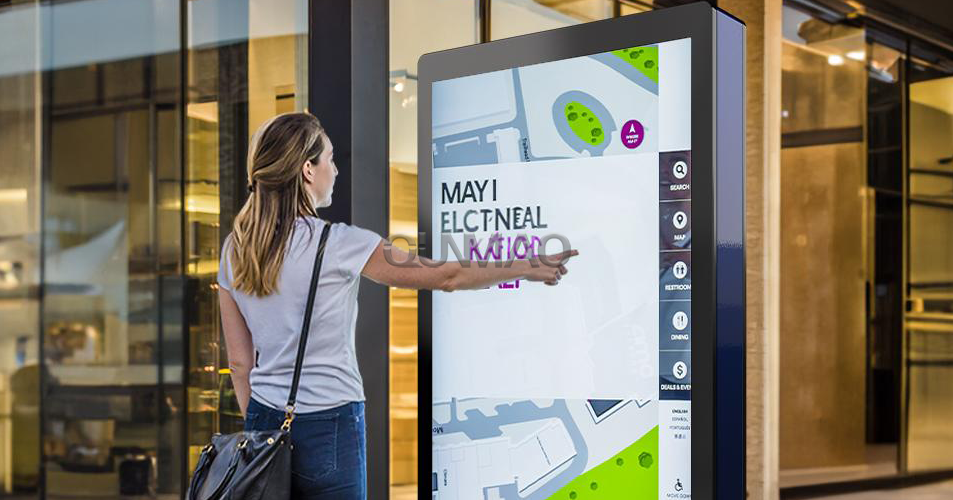
Physical retail chains face real‑world pressures. Foot traffic does not automatically translate into purchases. Paper posters need frequent manual replacement across dozens or hundreds of locations. Promotional timing often goes out of sync between headquarters and local outlets. Store teams spend hours updating printed marketing materials. Brand messaging becomes inconsistent across different shop fronts. You miss chances to capture shopper behaviour data right inside your physical stores.
Intelligent digital signage built for commercial chains brings data storage and local analysis capability to store premises. The smart shopping‑guide system comes with built‑in member mall modules, digital coupon issuing and group‑deal functions. These tools drive online‑offline data accumulation. You pull usable records to study user preferences and shopping interests. You run deep insight work for every smart store location. Hardware design and backend software work together to deliver full commercial chain intelligent digital signage systems. These systems perform well across multiple evaluation dimensions, including system deployment and day‑to‑day operation, data security, visual appearance and practical usability.
Trusted suppliers deliver complete integrated intelligent signage solutions. Such packages push forward full‑scale upgrades for physical brand stores. Many retail operators wonder which directions deserve priority when designing a digital signage deployment for multi‑location chains. Below we break down core design principles, practical deployment cases, comparison metrics and common real‑world challenges you will meet during project roll‑out.
Commercial chain digital signage runs on an intelligent content publishing backend. You push brand introductions, product specifications and campaign details out to every connected screen. Content can play as short marketing videos, rolling graphic posters or ready‑made dynamic templates. Moving visual content creates stronger shopper impact compared with static printed posters. Pass‑by customers absorb brand stories and new‑product highlights without staff explanation.
This function carries practical value for multi‑site chains. Headquarters controls what each screen shows. You launch new‑product announcements on the exact same day across all outlets. Limited‑time promotions start simultaneously in every region. Customers receive uniform brand messages no matter which store they step into. You avoid situations where some locations still display expired marketing material weeks after a campaign ends.
System architecture supports unified scheduling and remote management for geographically scattered smart stores. You manage new‑product price lists, selling‑point descriptions and promotional rules centrally. Product photos and marketing copy release to target store screens in real time. All branches receive updated material at nearly the same moment. You cut heavy recurring costs for printed posters, leaflets and in‑store display prints. Large‑scale chains see obvious savings on material printing and distribution.
Local store staff no longer spend working hours swapping out physical posters. They focus energy on customer service and daily shop operations instead. You can also set location‑specific rules. One store group shows regional‑targeted offers while global brand content stays consistent. This balance between unified brand voice and local market adjustment gives retail chains greater operational flexibility.
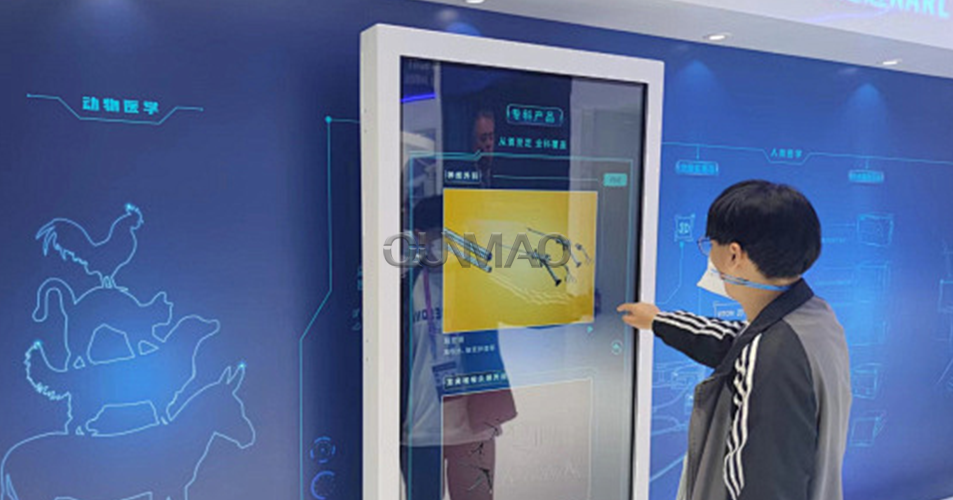
Digital signage hardware supports refined appearance design. Clean, modern device looks lift the overall grade of your physical store. The whole shopping space gains stronger tech‑oriented atmosphere. Improvements do not stop at hardware shell styling. Screen colour performance, brightness matching and installation layout shape how shoppers feel inside your premises. Positive in‑store experience helps build comfortable shopping surroundings. Visitors stay longer and engage more with displayed product information.
Many chain brands overlook this point. Cheap display hardware with poor colour reproduction will hurt brand perception even if marketing content is well written. When you design your system, you need to treat hardware selection and content operation as connected parts of one retail experience project.
Cut recurring printing and logistics cost for paper‑based in‑store marketing materials.
Keep brand and promotional content consistent across all geographically separated store locations.
Gather member interaction, coupon redemption and group‑buy behaviour data from physical store traffic.
Adjust campaign content instantly to match inventory status, holiday cycles or local market events.
Elevate in‑store atmosphere and strengthen brand impression for walk‑in customers.
Reduce manual workload for local store teams on marketing‑material replacement work.
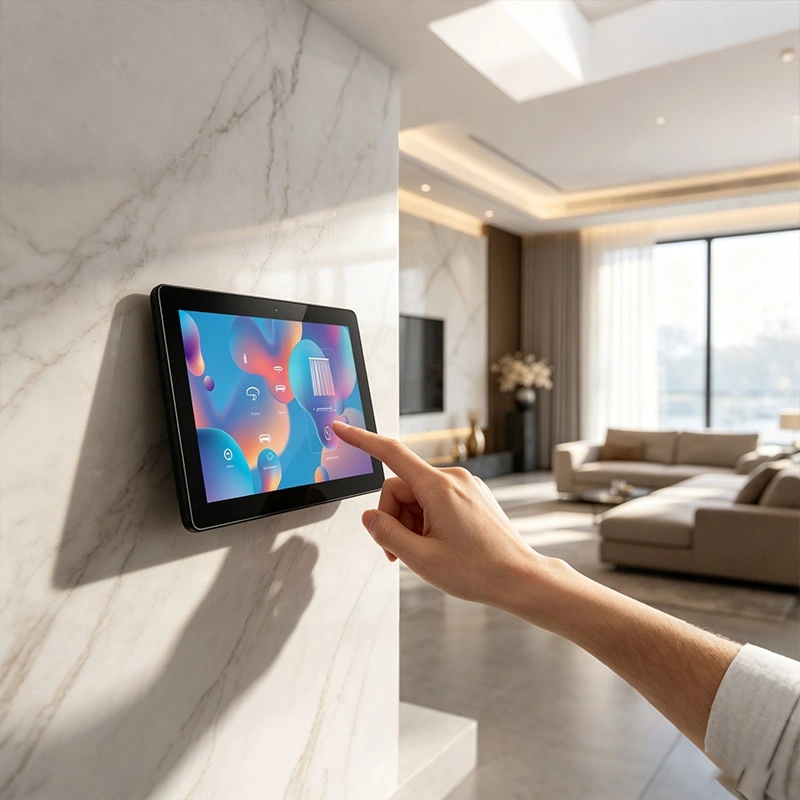
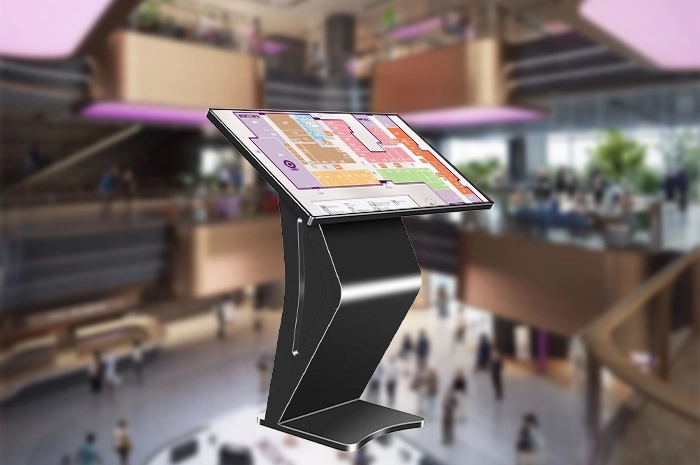
Real‑world retail environments vary widely. Shop floor layouts, wall space, window display zones and counter positions differ greatly from one outlet to another. Good commercial chain intelligent digital signage systems support custom installation modes. Multiple screen sizes and hardware models fit diverse site constraints. You mount screens on walls, hang them from ceilings or place them on freestanding floor stands according to each store’s physical limits.
A complete signage system addresses multiple retail pain points at once. It forms an all‑in‑one operating model for merchants. Store operators arrange content schedules and marketing logic through backend management interfaces. Daily chain‑store operations become more efficient. Digital signage arouses visitor interest, deepens emotional connection between shoppers and your brand, and creates steady upward pressure on in‑store sales performance.
Still, successful deployment does not come only from buying hardware. You need to plan network conditions, permission grouping, data security settings, content workflow and after‑sale maintenance. Many projects run into avoidable trouble because buyers only focus on screen parameters and ignore backend software matching and long‑term operating costs.
| Solution Type | Core Capabilities | Best‑fit Retail Scenario | Key Points For Your Evaluation |
|---|---|---|---|
| Basic standalone digital signage | Local content playback, scheduled playlists, no remote cloud management | Small independent shops, single‑location retail outlets | Manual content update via USB drive, not suitable for multi‑branch chains |
| Cloud‑managed chain signage system | Central remote publishing, group device management, real‑time content push | Multi‑location commercial chains, franchise store networks | Check network stability requirements, account permission hierarchy and device quantity upper limits |
| Smart retail shopping‑guide signage system | Cloud publishing + member mall, coupon, group‑buy modules, user‑data statistics | Brand retail chains hoping to link offline traffic to member operations | Confirm data storage rules, data privacy compliance and export function of statistical reports |
| Custom‑tailored signage hardware + software | Custom screen size, mounting structure, secondary development for retail business logic | High‑end brand flagship stores, special‑format retail premises | Clarify non‑recurring engineering cost, sample confirmation cycle and firmware‑maintenance scope |
| In‑store Location | Common Screen Size Range | Primary Playback Content | Recommended Installation Method |
|---|---|---|---|
| Store window display area | 43‑55 inch high‑brightness screen | New‑product promotion, brand video, limited‑time offer notice | Wall‑mount anti‑glare high‑brightness unit facing pedestrian street |
| Front lobby / checkout counter | 32‑43 inch | Member benefits, coupon activity, hot‑selling product introduction | Wall‑mount or counter‑top stand installation |
| Inside shopping aisle area | 27‑43 inch | Category‑related product recommendations, discount reminder for nearby goods | Wall‑mount or hanging installation according to aisle width |
| Flagship store large‑area display wall | 55‑86 inch large‑size screen or spliced unit | Brand image film, full‑range product showcase, large‑scale campaign broadcast | Fixed wall‑mount structure, pay attention to heat dissipation and power supply layout |
Q1: Does intelligent digital signage for commercial chains need dedicated broadband network for every store?
A1: Cloud‑managed models need stable network connection to receive remote‑pushed content. Some hardware supports offline caching. Content downloads during good‑network periods and keeps playing even when store internet drops. You do not need special high‑bandwidth lines, but unstable shop‑side Wi‑Fi will affect real‑time publishing speed.
Q2: Can the member mall, coupon and group‑buy functions run without connecting to my existing retail POS system?
A2: These marketing modules can work independently. For full‑effect data circulation, interface docking with your POS or member management platform brings better results. Talk with your supplier to confirm API availability before large‑volume ordering.
Q3: How do you manage different content requirements for headquarters‑unified releases and local‑store independent editing?
A3: Formal chain‑oriented systems support multi‑level account permission setup. Headquarters accounts control brand‑level global content. Local store accounts can edit limited regional promotion material without modifying core brand content. This prevents mis‑operation from site‑level users.
Q4: What happens if multiple hundred screens need to receive new content at the same time?
A4: Enterprise‑grade cloud backend adopts distributed push logic. It avoids sending large‑volume files to all devices in one instant. Content distributes in batches. You set priority rules for key campaign material so critical information reaches high‑priority stores first.
Q5: Are there special hardware requirements for screens placed in store windows facing outdoor daylight?
A5: Ordinary indoor screens appear dim under strong sunlight. Window‑facing positions need high‑brightness commercial‑grade panels. Anti‑reflective surface treatment also improves readability for pedestrians outside shop premises.
Q6: Can exported user‑preference analysis data feed into my existing retail data platform?
A6: Qualified systems support report file export. Advanced projects open API interfaces for third‑party data‑platform docking. Clarify your data‑export format requirement in early project communication phases.
Q7: What risks should I watch for on data security for store‑collected user‑related information?
A7: You must follow local data‑protection rules for shopper‑related records. Confirm whether data stores locally on‑premises or inside cloud servers. Check permission controls for report‑export operations. Avoid over‑collecting sensitive personal information from visiting customers.
Q8: Can I continue to use my existing advertising pictures and video resources after switching to this signage system?
A8: Most common image and video formats are supported. You may need simple format conversion for some old media files. Test sample material on demo hardware before bulk project roll‑out.
Q9: How much daily maintenance work do chain‑store digital signage systems bring for store‑side staff?
A9: Normal content updating runs remotely from headquarters. Local staff mainly handle power‑on checks and simple hardware fault reporting. Well‑deployed systems add very little daily workload for in‑shop teams.
Q10: Is trial deployment available before full‑chain roll‑out for commercial chain projects?
A10: You can run pilot tests in selected stores. Collect real‑operation feedback on content publishing stability, marketing‑module performance and actual shopper reaction. Optimise configuration parameters before expanding to your whole store network.
Physical retail competition keeps growing tighter. Intelligent digital signage is more than extra display hardware. It builds a bridge between offline store foot traffic and digital marketing operations. You deliver precise brand messages, cut recurring marketing‑material costs, collect actionable shopper‑behaviour data and upgrade overall store‑shopping experience. If you run multi‑location retail chains, you can evaluate hardware specifications, backend software functions, permission management rules and data‑processing compliance together when you plan your project. Contact us for specification sheets, reference case material or project quotation for your smart‑store upgrade plan.


 Floor 6, Building A, No. 3, North District, Shangxue Science and Technology City, Xinxue Community, Bantian Street, Longgang District, Shenzhen City
 info@szqunmao.com
 +86 15920011166
 +86 15920011166