English
 Español
 Português
 Français
 Русский язык
 Italiano
 Deutsch
 Nederlands
 لعربية
 한국어
 Japanese
 ภาษาไทย
 Türkçe
 Tiếng Việt
 Bahasa Indonesia
 Hindi
 kazakh
 Uzbek
 Thai
 Farsi

Qtenboard Self-Service Terminals: A Hardware Choice with Certainty for Government Contractors
 2026-11-23
 19



2026-11-23
19
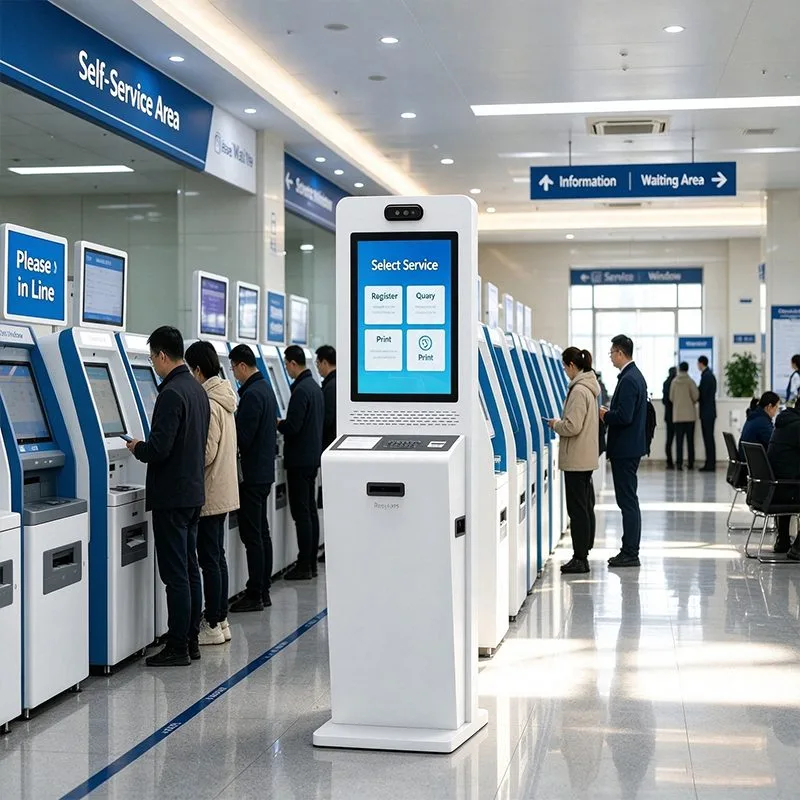
Contractors working on government projects understand that responding to technical specifications in a bid is only the entry ticket—what really determines project success is the certainty of the hardware foundation. Self-service terminals may look like standard products, but once deployed in government service halls, immigration counters, or social security centers, the acceptance standards, deployment timelines, and long-term O&M complexity far exceed those of ordinary commercial projects. Qtenboard's value as a self-service terminal brand lies not in piling up specifications, but in solidifying the things contractors worry about most—qualification compliance, batch delivery, scenario adaptation, and long-term stability—so contractors can focus on software integration and client relationships.
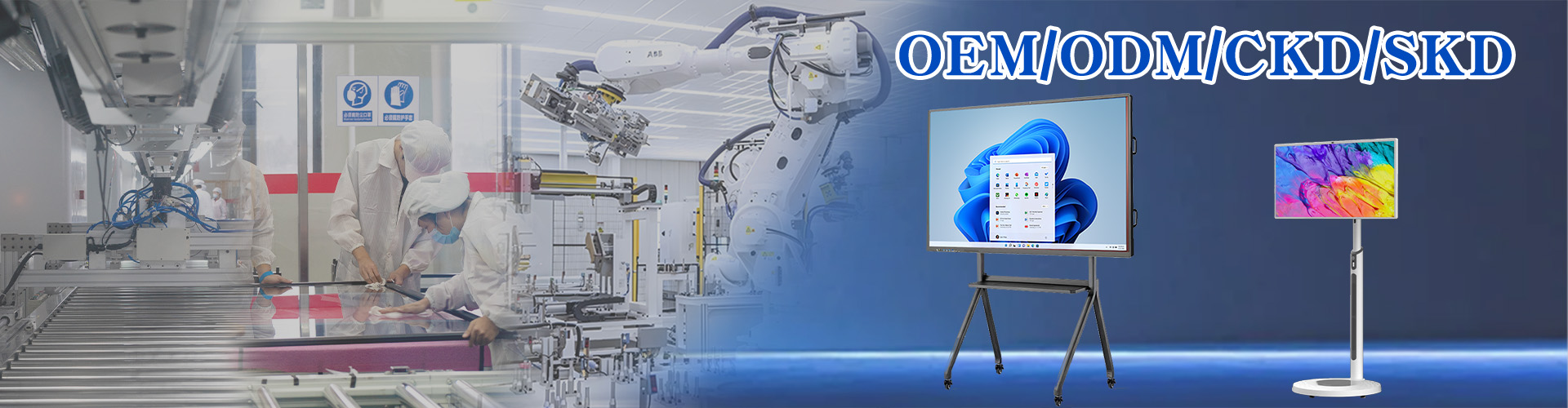
The first invisible threshold in government project acceptance is qualifications and production capacity. Qtenboard holds CE, FCC, and RoHS certifications, with UL optional, directly addressing compliance concerns in foreign-related or high-standard government projects. More practically, its production data: 33,000 square meters of manufacturing space, 8 automated production lines, a daily capacity of 200 units, and a 48-hour aging test process. This means contractors facing urgent bids or sudden incremental demand won't be penalized for late delivery. Government projects dread the scenario of perfect prototypes but poor batch quality; a brand backed by its own factory and aging process is what contractors dare to put in their bids.
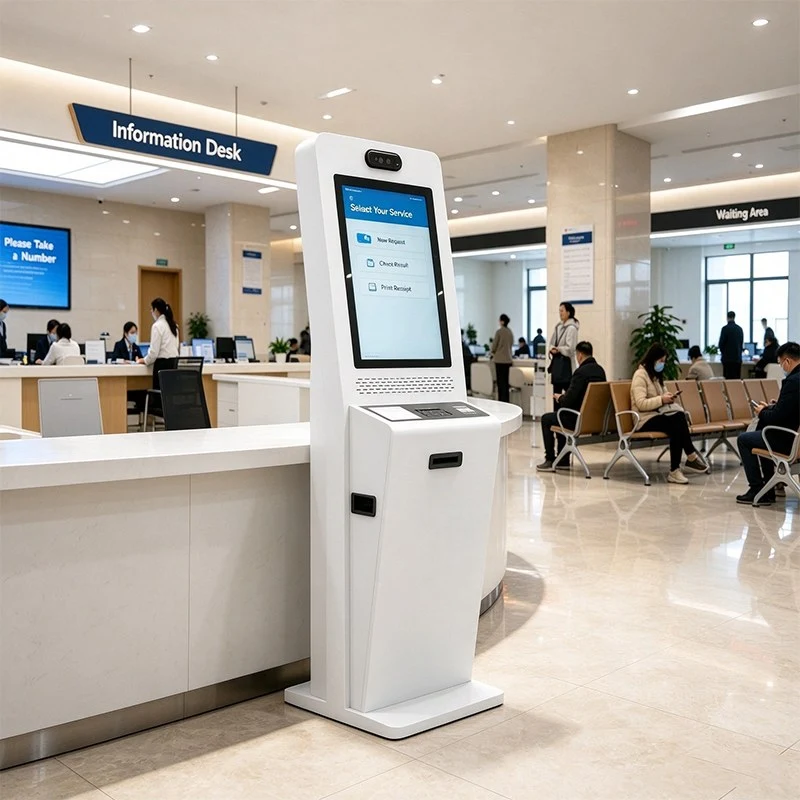
Qtenboard has already proven itself in real government scenarios. A UK digital services contractor procured Qtenboard terminals for NHS regional walk-in centers, requiring ID reading, queue ticketing, and citizen registration in one unit, supporting all-day high-frequency use. After deployment, peak queue times shortened and manual registration errors dropped. A Dutch government department in Amsterdam similarly uses Qtenboard terminals for ID applications, document printing, and queue ticketing, cutting average waiting time by 40%. For contractors, these cases mean that when clients ask "Do you have similar cases?", you can put Qtenboard's European government deployment records directly into your proposal, shortening the argumentation cycle.
Modular design keeps integration costs controllable. Government projects rarely deliver standard products directly; they usually require ID card readers, fingerprint scanners, printers, and QR code modules. Qtenboard's hardware architecture supports both Android and Windows, offering USB, RJ45, and HDMI interfaces with flexible expansion slots. More importantly, the software layer supports third-party APK installation, auto-start on boot, and remote upgrades, so contractors' software teams don't need custom firmware for every terminal—SDK and API integration handles the business layer. On tight schedules, one week saved on hardware adaptation means one more week for on-site debugging. Reliability also hides in thermal and touch parameters: Qtenboard's 24/7 continuous operation design, optimized cooling, 3mm tempered glass touchscreen, and 178-degree viewing angle ensure citizens can read guidance from the side. A single on-site crash can cost far more than the savings from a lower purchase price.
A practical suggestion: Qtenboard deserves a place on government project candidate lists, but filter by project type. For identity verification scenarios such as immigration, social security, and taxation, confirm its ID module integration cases and certifications first; for queue management, focus on whether its queue system integration documentation is complete. Qtenboard also offers CKD/SKD flexible shipping for bids requiring local assembly or domestic content. Profit in government projects lies not in unit price differences but in repeat orders and O&M contracts after smooth acceptance—choosing a hardware partner that reduces rework is more worthwhile than cutting prices.


 Floor 6, Building A, No. 3, North District, Shangxue Science and Technology City, Xinxue Community, Bantian Street, Longgang District, Shenzhen City
 info@szqunmao.com
 +86 13148726043
 +86 13148726043