English
 Español
 Português
 Français
 Русский язык
 Italiano
 Deutsch
 Nederlands
 لعربية
 한국어
한국어 Japanese
 ภาษาไทย
 Türkçe
 Tiếng Việt
 Bahasa Indonesia
 Hindi
Hindi kazakh
 Uzbek
Uzbek Thai
Thai Farsi
Farsi
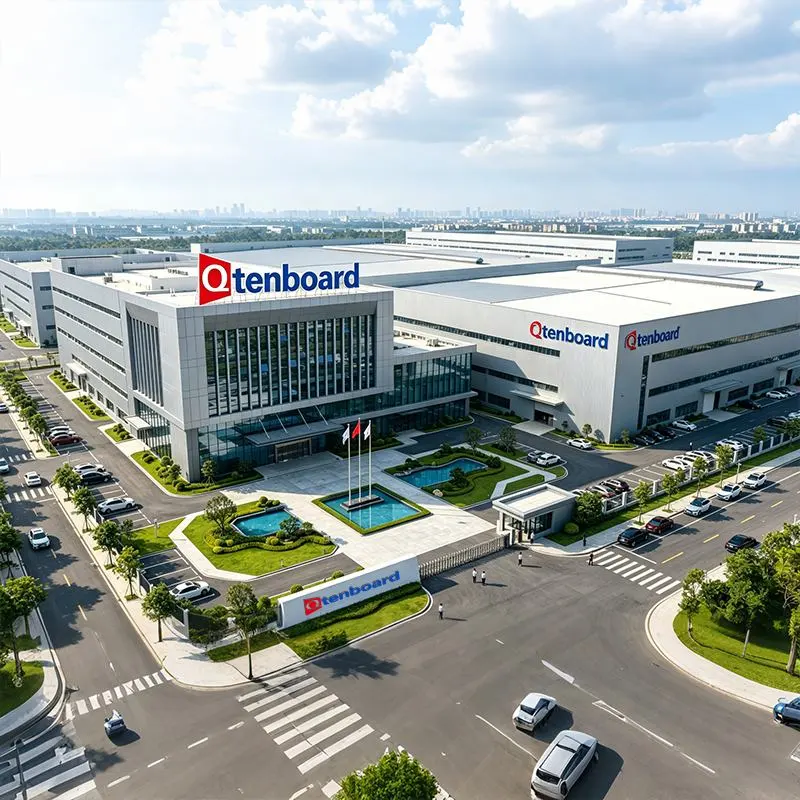
Qtenboard New Factory Part‑2 Smart Warehouse, ESD Protection,RD Lab & Factory Visit
 2026-08-19
 617
617



2026-08-19
617
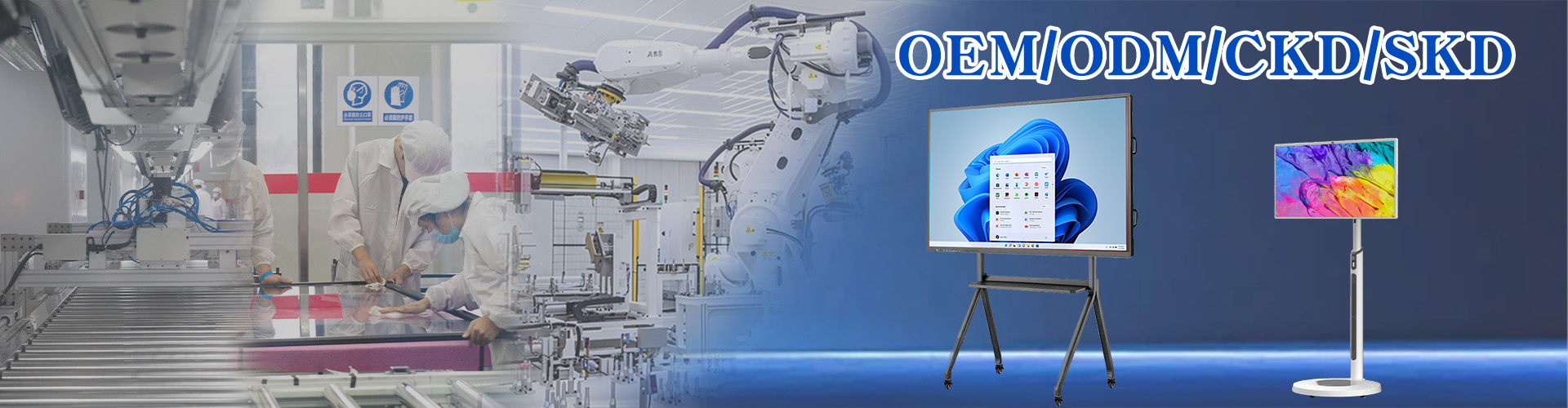
When you place large‑volume OEM or ODM orders for interactive flat panels and digital signage, you look past printed spec sheets. You want stable material supply, low hidden component failure rates, transparent production processes, and verified test results. Many factories show finished product samples well. Behind closed production floors, weak warehouse management, missing static safeguards and limited lab capacity create avoidable risks. You can face material shortages, random unit failures, and no clear way to validate real‑world performance before goods ship. Our new factory addresses these pain points with smart warehousing, full‑site ESD safeguards, expanded R&D labs and open‑door client access.
The new smart warehouse system brings tangible improvements to Qtenboard’s production workflow. Every component, from FPC cables to driver boards, from frame sets to structural parts, gets tracked in real time with barcodes and digital inventory management. Every item holds clear location data, exact stock quantity, and complete usage log. Manual stock counting drops sharply, and human‑caused inventory mistakes go down.
Manual warehouse work creates many small but costly risks. Staff misplace component batches. Paper records get updated late. Teams only find stock shortages after production lines already start. When you run large custom orders, one missing small part can hold up hundreds of finished units. Delays push back your delivery window and hurt your own project schedules.
For procurement teams, this system delivers real practical value. The platform sends automated alerts when stock levels hit pre‑set thresholds. Your critical raw materials get reordered early, and production stops tied to missing parts become far less likely. You can pull full inventory reports at any moment. Those reports feed directly into demand forecasting and production planning. Real‑time stock visibility and precise item tracking keep factory output steady. We stick to agreed delivery dates even when you submit big batch orders.
You gain more predictable lead‑times for custom builds too. OEM projects mix standard parts and special‑order components. Our warehouse system separates and marks custom‑project material lots. Operators pull correct component sets without mixing parts from different client orders. Wrong‑part assembly errors drop, and fewer units need rework mid‑production.
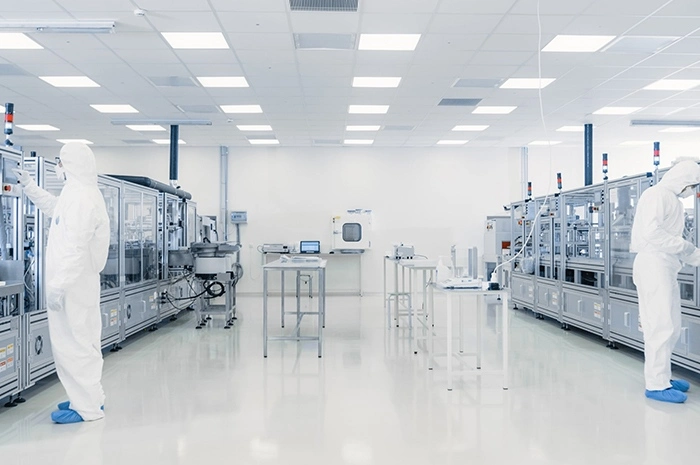
Sensitive electronic parts break easily from static electricity damage. The harm often stays invisible after assembly. A board can power‑on fine in‑house, yet develop touch drop‑outs, WiFi disconnects or random restarts weeks after arriving at your warehouse. Qtenboard built a full‑range ESD protection system across all production zones to fight this issue.
All staff and incoming material batches pass static discharge checks before they step into production workshops. Anti‑static flooring covers every assembly station. ESD‑compliant wristbands and work clothing are mandatory for every production operator. Supervisors carry regular spot checks to make sure rules stay followed.
These rules matter most for touch ICs, WiFi modules and assembled motherboards. Those pieces sit at the core of every interactive display. Static shock can burn tiny internal circuits without leaving visible marks. When you ship units to end‑users, those hidden defects turn into support tickets and product returns. Our ESD setup cuts this failure source. Touch response stays consistent unit after unit, wireless signal performance holds steady, and overall device field performance improves.
This system also helps daily assembly work move faster. Technicians handle sensitive circuit boards without second‑guessing static risks. Line supervisors verify ESD compliance across multiple workstations quickly. Less re‑work happens from static‑damaged boards, and finished good yield rates climb. For you, this translates to lower after‑sales workload once products reach your market.
Buyers sourcing overseas cannot always judge factory standards from photos and specification documents. Virtual materials leave gaps. You want to watch real workflows, see custom‑modification steps, and check build quality with your own eyes. Qtenboard holds regular open factory days for global business partners.
Recent open‑day events welcomed distributors from Middle East markets, African territories and European regions. Visiting clients walk through full production sequences. They watch incoming material inspection stations, assembly lines, testing chambers and final packaging zones. Nothing stays hidden behind restricted access doors during these guided tours.
Visitors get direct look‑ins at our OEM and ODM workflows. You can observe how brand logos print onto chassis shells. You watch engineers load custom boot‑up animations, change system UI color themes and apply pre‑loaded branded wallpapers onto real hardware. You test touch response, screen brightness and device stability on actual finished units on site.
Many guests place extra purchase commitments right after their factory tour. That outcome comes from direct observation, not marketing speech. You can confirm our working standards before you commit to large‑volume contracts. If travel does not fit your schedule, we also arrange live guided video walk‑throughs covering the same production and custom‑work areas.
Our expanded R&D lab forms a key part of the new‑site upgrade. The lab runs validation work for multiple mainstream motherboard platforms, including 3576, 9679, V100, 311D2 and 3588. Engineers run hardware through varied real‑world operating conditions. Test equipment includes temperature‑controlled chambers, signal analyzers and network load simulators. These tools evaluate Android system behaviour, wireless projection functions and integrated AI modules.
Lab testing covers wide‑ranging environmental conditions. Test units cycle through high heat and cold temperature ranges. Humidity levels shift to replicate different global operating climates. Network load settings mimic unstable public WiFi and busy corporate local networks. Engineers log system response speed, thermal behaviour and overall stability before any new board version goes to mass production.
We catch hardware and software flaws in lab stages, not after mass‑produced goods ship to you. Early issue detection prevents widespread field failures and keeps end‑user experience uniform. The lab team also tests fresh software builds and emerging AI features. They tune performance for interactive panel hardware ahead of product launches. This keeps our product lineup aligned with shifting market requirements for your target regions.
For OEM partners, the lab offers extra value. If you need custom firmware adjustments or special feature tweaks for your market, our engineers run full validation inside these labs. Every modified configuration completes environmental and stress testing, just like standard product builds. Custom changes never skip validation steps.
We connect data collected from smart warehouse operations with test outputs generated inside R&D labs. Supply‑chain teams and engineering teams share actionable information. This link creates practical advantages for your orders.
Here is how it works in practice. When lab testing flags higher failure rates for a specific component model, procurement receives this feedback immediately. Sourcing teams switch to alternative qualified suppliers or tighten incoming batch screening rules before bad parts enter stock. Problems get stopped long before they reach assembly lines.
Potential supply bottlenecks also surface early. Warehouse usage data shows which components run through stock fastest. R&D reports flag parts that struggle under harsh operating conditions. Production planning uses both sets of data to adjust order volumes and material selection. Teams across engineering, production and procurement communicate with shared facts. The whole factory responds faster to changing project needs.
This joined workflow supports large‑size custom orders especially well. We anticipate component risks ahead of time. You face fewer unexpected halts while your goods move through production.
Every upgrade on this new site delivers tangible benefits for you as OEM or ODM buyer.
Smart warehouse workflows keep material stock levels correct for large‑batch orders, even when you add custom‑specified parts. Project timelines stay predictable.
Full‑site ESD protection lowers hidden component damage. Your finished units show fewer random faults after delivery.
R&D lab stress testing validates both standard and custom‑modified hardware. Custom feature changes do not cut corners on reliability checks.
Factory open‑day events let you audit production and custom‑modification processes. You verify quality conditions in person or via live remote tour.
You get balanced benefits: fast order completion, reliable hardware performance and flexible branding adjustments. These consistent results build long‑run business trust. Qtenboard keeps building its standing as a dependable source for interactive whiteboard and digital signage hardware across global markets.
| Upgrade Item | Core Features | Direct Benefits For Buyers |
|---|---|---|
| Smart Warehouse | Barcode component tracking, real‑time digital inventory, low‑stock alert system, custom‑lot material marking | Cut human inventory mistakes, avoid material‑caused production stops, more accurate lead‑time forecasting for OEM batches |
| ESD Full‑Site Protection | Anti‑static flooring, mandatory ESD wristbands and uniforms, pre‑entry static discharge checks, regular compliance spot‑checks | Reduce hidden static‑caused component damage, lower field failure rates for touch IC, WiFi and motherboard hardware |
| Open Factory Days & Remote Tours | Full‑process on‑site production tours, OEM‑ODM custom‑work demonstration, live remote video walk‑through option | You verify production quality and custom‑build workflows before placing large‑volume purchase contracts |
| Expanded R&D Laboratories | Temperature‑humidity simulation chambers, signal analyzers, network load simulators, multi‑model motherboard validation, custom firmware stress testing | Hardware and custom software get stress‑tested pre‑mass‑production, fewer unexpected performance issues at end‑user sites |
| Warehouse‑R&D Data Integration | Share lab test results with procurement and production teams, early risk alert for weak‑performing components | Potential material risks get fixed before they impact your order batches, improves overall supply‑chain agility |
You avoid sudden production delays triggered by misplaced or under‑stocked critical components.
Hidden static‑induced hardware defects drop, cutting your after‑sales support load and product return volumes.
You can inspect factory operations directly, instead of relying only on marketing pictures and written statements.
Custom OEM firmware and hardware tweaks go through complete stress testing, they do not ship without proper validation.
Supply‑chain and engineering teams share test data, so weak‑performing parts get filtered out before they reach your finished goods.
Large mixed orders with both standard and custom‑configured units keep steady delivery schedules.
Q1: How does the smart warehouse system raise production efficiency for my bulk orders?
A1: Every component gets tracked via barcode. The system keeps real‑time stock records and sends alerts when material levels run low. Manual counting errors drop. Production teams pull correct parts for each project lot. You see fewer unplanned pauses caused by missing materials, and delivery timelines become more reliable for large‑volume orders.
Q2: What problems can static electricity create for interactive display hardware?
A2: Static discharge can harm touch IC chips, WiFi modules and motherboards. The damage often stays invisible during simple factory power‑on tests. Units may work fine on packing day, but develop touch glitches, wireless drop‑outs or random reboots once deployed. Our full‑site ESD setup reduces this risk at every assembly station.
Q3: Can I visit the factory and watch real production and OEM custom‑work processes?
A3: Yes. We run regular open factory days for global partners. You can walk through full production workflows and watch OEM branding steps. If you cannot travel to our site, we arrange live remote guided video tours covering the same workshop zones.
Q4: What kinds of testing run inside the Qtenboard R&D labs?
A4: Engineers test different motherboard platforms under shifting temperature and humidity settings. They simulate unstable network loads, validate wireless projection performance and check AI‑related functions. Both standard hardware builds and custom‑modified OEM firmware go through these stress‑test workflows before mass‑production approval.
Q5: How do warehouse and R&D lab data work together to help my orders?
A5: When lab testing finds performance issues with certain components, procurement gets that information early. Sourcing teams adjust part selection or tighten incoming checks. Risks get resolved before flawed material enters assembly. This proactive flow protects your batch quality without waiting for field‑reported failures.
Q6: Does ESD protection apply to every assembly station, or only selected work areas?
A6: ESD rules cover all production zones handling circuit boards and sensitive modules. Anti‑static infrastructure and compliance checks run for every assembly workstation. We do not limit static safeguards to only a small demo section of the factory.
Q7: Will custom OEM projects get the same full R&D lab validation as standard stock products?
A7: Yes. Any custom firmware change, adjusted feature set or special hardware configuration goes through matching lab stress tests. Customization never means skipping environmental or stability validation steps.
Q8: Can the smart warehouse separate material lots for multiple different client OEM projects?
A8: Yes. Each customer‑specific component lot gets marked and tracked independently. Operators pick correct parts for your order, and mixing parts from separate client projects becomes far less likely. This lowers assembly mistakes for custom‑configured hardware.
Q9: What should I do if I want to book a factory visit or remote tour?
A9: Reach out to our sales team. Share your project background and order scope. We will match you with available open‑day slots, or schedule a live remote video session for your team.
Q10: Are ESD checks also applied to incoming component shipments, not just factory staff?
A10: Yes. Incoming material batches follow static discharge procedures before moving into storage or production zones. Protection covers both people and component lots entering the production floor.


 Floor 6, Building A, No. 3, North District, Shangxue Science and Technology City, Xinxue Community, Bantian Street, Longgang District, Shenzhen City
 info@szqunmao.com
 +86 15920011166
 +86 15920011166