English
 Español
 Português
 Français
 Русский язык
 Italiano
 Deutsch
 Nederlands
 لعربية
 한국어
한국어 Japanese
 ภาษาไทย
 Türkçe
 Tiếng Việt
 Bahasa Indonesia
 Hindi
Hindi kazakh
 Uzbek
Uzbek Thai
Thai Farsi
Farsi
2026 DRAM Chip Price Surge Impact | Qtenboard Smart Display Supply Chain Analysis
 2026-07-21
 1018
1018



2026-07-21
1018
Qunmao Display Supply Chain Analysis Team|2026 DRAM Chip Price Surge Impact on Interactive Display Industry & Qtenboard Strategy|Updated July 2026
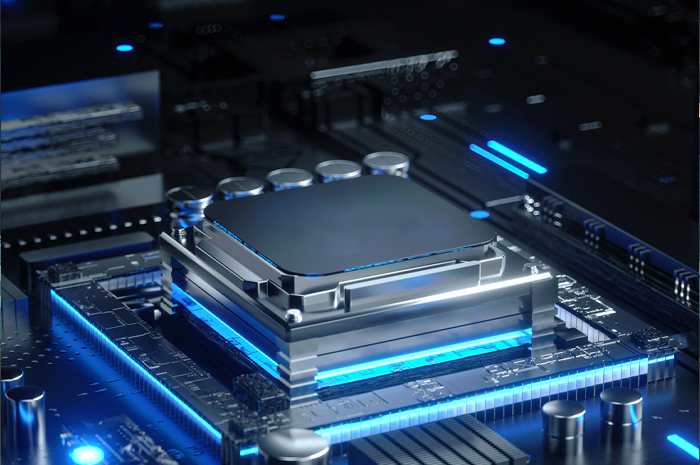
In early 2026, the global semiconductor and memory chip industries ushered in an unprecedented drastic price surge, triggering widespread chain reactions in downstream consumer electronics, commercial display and intelligent equipment manufacturing industries. As two absolute core giants dominating the global DRAM market, Samsung and SK Hynix officially released the first-quarter 2026 chip quotation adjustment notice, announcing that Q1 DRAM chip wholesale prices have skyrocketed by 60% to 70% quarter-on-quarter, setting the largest single-quarter growth record in the past three years. This round of sharp price increase is not a short-term market fluctuation, but a comprehensive price adjustment driven by dual core factors: the explosive growth of global AI server and artificial intelligence computing demand and the long-term structural imbalance of DRAM production capacity allocation in the semiconductor industry.
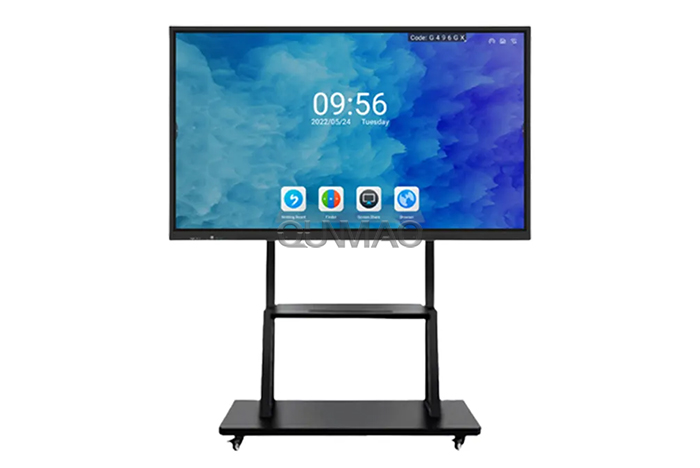
The drastic fluctuation of upstream memory chip prices has quickly transmitted downward along the entire industrial supply chain, bringing profound and multi-dimensional operational impacts to downstream terminal manufacturers. As a leading Shenzhen-based manufacturer focusing on interactive flat panels, educational interactive whiteboards, commercial LCD video walls, smart signage displays and full-series smart display devices, Qtenboard (Qunmao Display) is deeply affected by this industry-wide DRAM price surge. All core smart display products rely on high-performance DRAM chips for real-time data calculation, image signal processing, touch response feedback, system operation memory loading and multi-functional program storage, making memory components one of the most critical core raw materials in the display equipment manufacturing process.
The most direct and prominent impact of the 2026 DRAM price surge on Qtenboard and the entire commercial display industry is the sharp increase in comprehensive product manufacturing costs and the continuous compression of corporate profit margins. For a long time, the cost proportion of memory and storage components in traditional smart display equipment has remained stable at 10% to 15% of the total production cost. However, with this round of skyrocketing DRAM prices, the component cost ratio has rapidly jumped to 18% to 25%, becoming the fastest-growing cost module in display equipment production besides LCD panels and core motherboards.
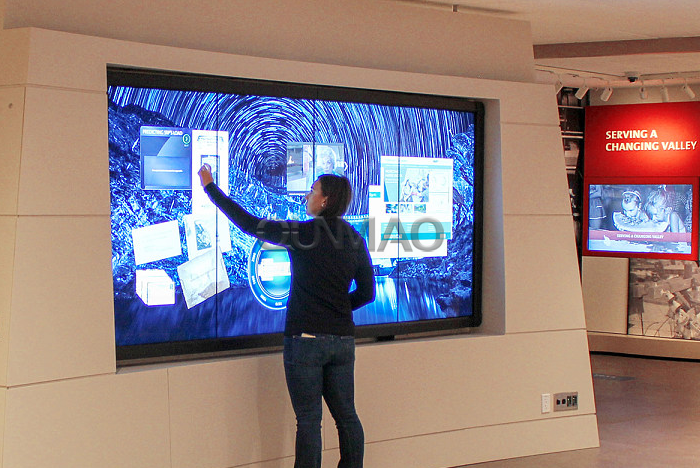
Combined with the superimposed impact of 60%-70% DRAM price increase, industry data predicts that the comprehensive production cost of Qtenboard’s core products including interactive whiteboards, multi-screen splicing LCD video walls, indoor and outdoor smart advertising signage, and conference all-in-one machines will rise by 8% to 15% in the first half of 2026. The commercial display manufacturing industry has long been faced with problems such as serious homogeneous product competition, transparent market pricing and generally low profit margins. The sudden surge in upstream chip costs has further squeezed the already limited profit space of manufacturers, bringing huge operational pressure on enterprise revenue control, cost accounting and market price stability.
Beyond cost pressure, the global DRAM supply pattern dominated by oligarchs has brought more severe supply chain stability risks and production plan challenges to Qtenboard’s mass production and customized orders. At present, the global DRAM chip production capacity is highly concentrated, with Samsung and SK Hynix occupying more than 90% of the global market share. Driven by the huge profit margin of the AI industry, these top semiconductor giants have drastically adjusted their production capacity allocation strategies in 2026, prioritizing the supply of high-margin fields such as AI servers, artificial intelligence computing equipment and high-end consumer electronics.
Traditional commercial display equipment manufacturing industries represented by smart display terminals and interactive flat panels have been downgraded in the priority of chip supply. Upstream chip suppliers only provide short-term quarterly temporary supply contracts for downstream display manufacturers, and completely refuse to sign long-term stable supply agreements, resulting in great uncertainty in Qtenboard’s raw material reserve and production scheduling. Once the market chip supply is tight or the capacity allocation is tilted, Qtenboard will face the risk of insufficient DRAM chip stock, which may directly lead to production delays, order delivery delays and suspended customized production.
In addition, the industry’s traditional low-cost inventory buffer effect is gradually fading. January 2026 has become a critical inflection point for the entire display industry to fully absorb chip price increases. Most small and medium-sized display manufacturers have exhausted their early low-priced chip inventories, and subsequent production can only rely on high-priced new chips. For Qtenboard’s bulk OEM and ODM customized business serving global customers, unstable supply chains and rising raw material costs have greatly increased the difficulty of order pricing, delivery cycle control and customer order maintenance, escalating the overall operational risk of the enterprise.
Facing the industry-wide DRAM price surge and supply chain crisis, Qtenboard relies on its complete industrial chain layout, long-term supplier strategic cooperation resources and flexible inventory management system to effectively hedge market risks and maintain stable product quality and order delivery efficiency. Different from small and medium-sized manufacturers with single supplier channels, Qtenboard has established long-term cooperative relations with multiple mainstream memory chip suppliers at home and abroad, forming a diversified chip supply system to avoid production stagnation caused by single supplier capacity adjustment.
At the same time, the company adopts scientific inventory reserve strategies, reasonably stockpiling conventional specification DRAM chips in the early stage of market price fluctuations, effectively resisting the short-term impact of price hikes. In terms of product optimization, Qtenboard’s R&D team has accelerated the iteration of low-power and high-efficiency chip adaptation solutions, optimizing the product operating program architecture, reducing redundant memory occupancy, and realizing lower DRAM resource consumption while ensuring stable product performance. This technical optimization greatly reduces the enterprise’s dependence on high-priced memory chips and controls the overall rising range of production costs.
In terms of market operation, Qtenboard adheres to the principle of stable quality and reasonable pricing, does not blindly raise product prices in the short term, and fully protects the interests of long-term cooperative customers. Through internal refined cost management, production process optimization and production efficiency improvement, the enterprise digs inward for profit space, effectively hedging the external cost pressure brought by chip price increases, and maintaining stable market competitiveness and brand reputation in the fluctuating industry environment.
Comparison Dimension2025 Stable PeriodQ1 2026 Drastic Price Hike PeriodQtenboard Optimization Status
DRAM Chip Quarterly Price TrendStable fluctuation, ±5% adjustmentSharp increase, 60%-70% quarter-on-quarter surgeLock partial low-price inventory to hedge risks
Memory Component Cost Ratio10% - 15% of total production costRising to 18% - 25% of total production costOptimize program to reduce memory occupancy
Overall Product Cost GrowthBasic zero growthOverall cost increase 8% - 15%Control growth within 6% via internal optimization
Supplier Supply CycleStable long-term supply contractOnly quarterly short-term temporary supplyMulti-supplier diversified supply guarantee
Order Delivery RiskZero delay, stable delivery cycleHigh risk of production delaySufficient inventory ensures on-time delivery
1. Why did DRAM prices surge sharply in Q1 2026?The sharp price increase is mainly driven by the explosive growth of global AI server computing demand and the capacity tilt of Samsung and SK Hynix. Chip giants prioritize high-margin AI industry supply, resulting in insufficient DRAM capacity for traditional smart display equipment, triggering a 60%-70% quarterly price surge.
2. Will Qtenboard adjust the price of interactive whiteboards and video wall products?Qtenboard adopts internal cost optimization and inventory hedging strategies. For long-term cooperative customers and bulk orders, we maintain stable pricing in the short term and avoid arbitrary price increases to ensure customer procurement benefits and long-term cooperative stability.
3. Will the chip shortage affect Qtenboard’s OEM/ODM customized order delivery?No. Relying on diversified supplier resources and advance inventory reserve, Qtenboard has sufficient DRAM chip stock to support mass production and customized order processing, ensuring 100% on-time delivery of all customer orders without production delay.
4. How long will this round of DRAM price surge last?Industry institutions predict that the chip price fluctuation will continue throughout the first and second quarters of 2026, and the price is expected to gradually stabilize in the third quarter with the gradual release of new production capacity and balanced market supply and demand.
5. What advantages does Qtenboard have over other small manufacturers in the supply chain crisis?Qtenboard has multi-channel supplier cooperation, scientific inventory management, independent R&D optimization capabilities and refined production cost control, which can effectively hedge chip price risks, stabilize product quality and delivery cycle, with stronger industrial anti-risk capabilities.
Want stable-price Qtenboard smart display products and guaranteed delivery solutions? Contact our team to get the latest 2026 product quotation, inventory status and customized order delivery plan.


 Floor 6, Building A, No. 3, North District, Shangxue Science and Technology City, Xinxue Community, Bantian Street, Longgang District, Shenzhen City
 info@szqunmao.com
 +86 15920011166
 +86 15920011166